Ellis County Probate Attorneys
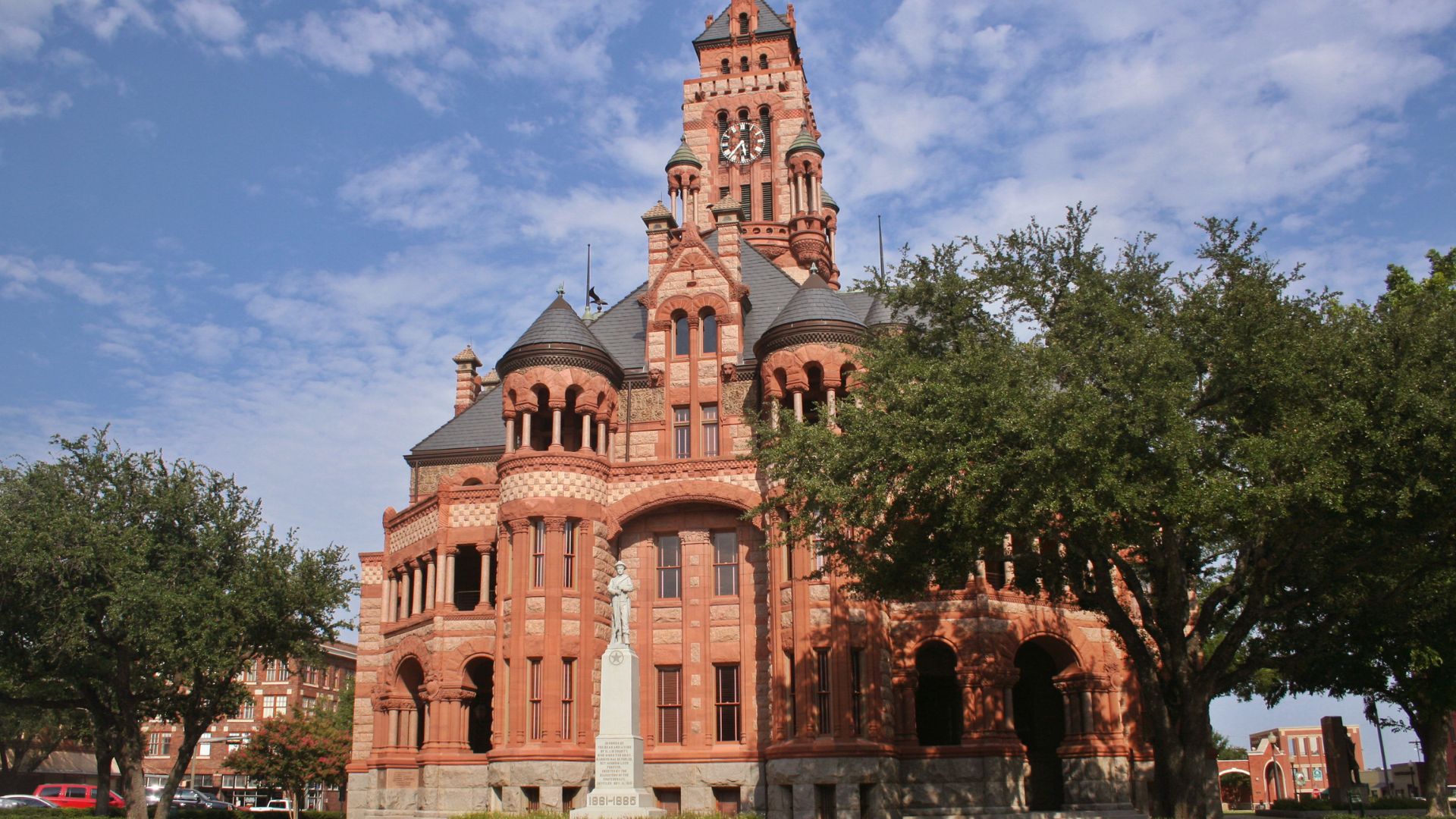
Families throughout Ellis County often face legal and financial uncertainty after the death of a loved one. Probate law in the state of Texas determines how property transfers, how debts are addressed, and how estates move through the court system. Many families begin their search for Ellis County probate attorneys when they realize that estate administration requires formal filings and court approval. Resources such as Avvo also show how probate attorneys in Ellis County help executors and heirs understand Texas estate law and probate court procedures. Because probate cases involve strict rules and court oversight, families often need instruction from our award-winning probate lawyers who handle estate administration in Ellis County. At Dooley Noted Law, we help executors, heirs, and beneficiaries understand the legal steps required to settle an estate under Texas law. Our firm works with families across Waxahachie, Midlothian, Ennis, Red Oak, and surrounding communities, where probate filings typically move through the Ellis County courthouse in Waxahachie.
Texas probate law also creates specific deadlines that can affect the outcome of a case. For instance, many wills must be submitted to probate within four years after death to remain legally enforceable. Executors must also prepare estate inventories, communicate with beneficiaries, and address creditor claims before assets can be distributed. Therefore, working with our Ellis County probate attorneys early in the process can prevent costly mistakes and delays. Dooley Noted Law guide families through each stage of estate administration. We focus on clear communication and practical solutions so executors can fulfill their legal responsibilities while protecting the estate. If you need help with a probate matter in Ellis County, call our office today to discuss your situation. Call Dooley Noted Law today at (972) 640-5684 to speak with Ellis County probate attorneys who help families move forward after loss.
Ellis County Probate Attorneys Helping Families Transfer Property After Death
Probate often begins when a family must legally transfer property after a loved one passes away. Texas law requires court supervision in many estates so that assets move from the deceased person to heirs in a lawful manner. Ellis County probate attorneys assist families throughout this process while ensuring the estate follows probate rules and filing deadlines.
Many families in Waxahachie, Midlothian, Ennis, and nearby communities discover that property cannot transfer automatically. Instead, the estate must pass through probate before ownership legally changes. Ellis County probate lawyers help executors and beneficiaries understand each step so property transfers occur smoothly and without avoidable delays. Dooley Noted Law assist families across Ellis County with probate administration and estate settlement matters. Executors often feel overwhelmed by legal responsibilities. However, proper help from our lawyers can simplify the process while protecting the estate and the interests of heirs.

Texas Probate Law Governing Property Transfers in Ellis County Estates
Texas probate law establishes the framework that courts follow when transferring estate property. The probate process confirms the validity of a will, appoints an executor or administrator, and authorizes the transfer of assets. Ellis County probate attorneys guide families through this legal process while ensuring that court procedures remain compliant with Texas statutes.
Courts require proper filings and supporting documentation before approving property transfers. Executors must also notify beneficiaries and potential creditors before distributing estate assets. Probate lawyers serving Ellis County assist families with these responsibilities so estate administration proceeds efficiently.
Families often worry about legal errors during probate. Ellis County probate lawyers provide clarity during this process. With the right instruction, executors can manage estate responsibilities while avoiding mistakes that may cause delays or disputes.
How Probate Courts Approve Asset Transfers for Ellis County Estates
Probate courts oversee estate administration to ensure property transfers according to Texas law. The court reviews the will and confirms that the executor has the authority to manage estate assets. Ellis County probate attorneys assist executors with the documents required for this court approval.
The probate court also reviews estate inventories and ensures the executor fulfills fiduciary duties. Executors must manage estate assets responsibly and distribute property according to the will or Texas intestacy laws. Probate lawyers in Ellis County help ensure that each stage of the probate process meets these legal standards.
When probate courts approve asset transfers, the executor may proceed with distributing property to heirs. Proper documentation ensures that transfers remain legally valid and protects beneficiaries from future disputes.
Court Orders Authorizing Property Distribution to Heirs
Court authorization plays a key role in probate administration. Before heirs receive property, the court must approve the executor’s authority and review estate filings. Ellis County probate lawyers assist executors in preparing the paperwork necessary to obtain this authorization.
Once the court approves the distribution, the executor may transfer assets according to the will. Probate lawyers serving Ellis County help ensure that these transfers follow legal procedures while protecting the rights of beneficiaries.
Ellis County Probate Lawyers Helping Executors Manage Estate Property
Executors carry significant responsibility when administering an estate. They must identify estate assets, protect property, and ensure proper distribution after probate approval. Ellis County probate attorneys provide assistance so executors understand their obligations under Texas law.
Executors also communicate with heirs and beneficiaries throughout the probate process. Probate lawyers serving Ellis County assist executors with documentation and court filings so estate administration remains organized and transparent.
Dooley Noted Law guide executors through these responsibilities while helping them avoid common probate mistakes. With our help, executors can focus on completing estate administration properly.
Real Estate Transfers Through Ellis County Probate Administration
Real estate often represents the largest asset in an estate. Many Ellis County families inherit homes, land, or investment properties through probate proceedings. Ellis County probate attorneys assist executors with the legal steps required to transfer these properties.
The executor must ensure the property title transfers correctly after probate approval. This process often involves preparing legal documents and ensuring court compliance. Probate lawyers serving Ellis County help complete these steps so heirs receive clear ownership of inherited property.
Handling Family Homes and Inherited Property in Probate
Family homes frequently become the focal point of probate estates. Executors must determine whether heirs will inherit the property or whether the estate must sell the home. Ellis County probate attorneys assist families with these decisions while ensuring legal compliance.
Proper handling of inherited property prevents disputes between heirs. Probate lawyers in Ellis County guide families through the legal process so real estate transfers occur smoothly.
Financial Account Transfers During Ellis County Probate
Estate administration often includes bank accounts, retirement funds, and investment portfolios. Executors must identify these accounts and ensure they transfer properly to beneficiaries after probate approval. Ellis County probate lawyers assist with the documentation required to complete these transfers.
Financial institutions often require official probate documents before releasing funds. Probate lawyers serving Ellis County help executors obtain and present these documents so financial assets transfer efficiently.
Working With Banks and Financial Institutions During Probate
Executors frequently interact with financial institutions while managing estate accounts. Banks often require proof of executor authority before granting access to estate funds. Ellis County probate attorneys assist executors with these requests so the estate administration process continues smoothly.
Proper coordination with financial institutions prevents unnecessary delays. Probate lawyers in Ellis County help ensure that financial transfers comply with both banking requirements and probate court procedures.
Ellis County Probate Attorneys Prevent Property Transfer Delays
Probate delays often occur when executors misunderstand legal requirements. Missed deadlines or incomplete filings can slow the probate process significantly. Ellis County probate attorneys help families avoid these issues by guiding them through every step of estate administration.
Executors must also address creditor claims before distributing assets. Probate lawyers serving Ellis County assist with notifying creditors and reviewing claims so the estate can proceed toward final distribution.
Dooley Noted Law work with families throughout Ellis County to help ensure estate administration progresses efficiently.
Avoiding Common Probate Mistakes During Estate Administration
Many executors manage probate responsibilities for the first time. Without professional probate advice, mistakes may occur during inventory filings or asset transfers. Ellis County probate lawyers help executors understand court procedures so errors do not disrupt the estate administration process.
Proper preparation and organization can prevent many probate issues. Probate lawyers serving Ellis County assist with documentation and court filings so families avoid unnecessary complications.
Our Attorneys Help Executors Complete Probate Successfully
Executors benefit from clarity throughout probate proceedings. Ellis County probate lawyers help families understand deadlines, documentation requirements, and distribution procedures.
How Our Ellis County Probate Attorneys Protect Beneficiary Rights During Probate Administration
Beneficiaries often rely on the probate process to receive property that a loved one intended to pass down through a will or through Texas inheritance laws. Probate administration involves multiple legal steps that directly affect inheritance rights. Ellis County probate attorneys help ensure beneficiaries receive accurate information and fair treatment during estate administration.
When probate begins, the executor or administrator receives authority from the court to manage estate property. This authority includes collecting assets, paying valid debts, and distributing property to heirs. Even when executors act responsibly, confusion can still arise during estate administration. Beneficiaries may question whether property management follows the will or Texas probate law. Ellis County probate lawyers help protect inheritance rights while ensuring the estate follows proper legal procedures.
Dooley Noted Law assist beneficiaries throughout Ellis County who want clarity about the probate process. Understanding legal rights often helps beneficiaries remain informed while probate moves forward through the court system.

Ellis County Probate Attorneys Help Beneficiaries Understand Their Rights
Beneficiaries possess important legal protections during probate administration. Texas probate law ensures estate assets transfer according to the will or according to inheritance laws when no will exists. Ellis County probate attorneys help beneficiaries understand how these legal protections apply to their situation.
Probate proceedings require formal court filings that document estate activity. Beneficiaries have the right to review certain probate records and estate filings. This transparency allows heirs to confirm that executors fulfill fiduciary duties and follow the instructions contained in the will.
Many beneficiaries encounter probate law for the first time after a family member passes away. Ellis County probate lawyers explain the steps involved so beneficiaries understand the legal process and what to expect as the estate progresses through administration.
Beneficiaries Have the Right to Receive Estate Information
Executors must communicate with beneficiaries throughout probate administration. This communication often includes updates about estate assets, court filings, and probate progress. Ellis County probate lawyers assist beneficiaries who need access to estate information or clarification about probate procedures.
Estate transparency allows beneficiaries to understand how assets will eventually transfer. Probate lawyers serving Ellis County help ensure estate inventories and financial records remain available when beneficiaries need clarification about property management.
Transparency Helps Prevent Probate Disputes in Ellis County
Open communication during probate administration often prevents misunderstandings between family members. When beneficiaries receive accurate information about estate property and probate timelines, disagreements become less likely.
Ellis County probate attorneys encourage clear communication between executors and beneficiaries. This approach often helps estates move through probate with fewer complications.
Ellis County Probate Lawyers Address Concerns About Estate Management
Beneficiaries sometimes question how executors manage estate assets. Concerns may arise if communication stops, if asset inventories appear incomplete, or if property distributions seem delayed. Ellis County probate attorneys assist beneficiaries who want to review estate activity during probate.
Probate lawyers evaluate estate filings and court documents to determine whether the executor fulfills fiduciary obligations. Executors must act in the best interests of the estate and its beneficiaries. When questions arise about estate management, probate attorneys help beneficiaries understand the legal options available.
Dooley Noted Law work with beneficiaries across Ellis County who want reassurance that probate administration remains fair and lawful. Early review of estate activity often prevents larger legal conflicts later in the probate process.
Reviewing Estate Accounting During Probate Administration
Estate accounting provides a detailed record of how executors manage estate property. These reports may include asset valuations, expenses paid by the estate, and proposed distributions to beneficiaries. Ellis County probate attorneys assist beneficiaries who want to review estate accounting for accuracy.
Careful review of estate records can reveal missing information or accounting errors. Probate lawyers serving Ellis County help beneficiaries ensure estate property remains properly managed during probate administration.
Accurate Accounting Protects Beneficiary Interests in Ellis County
Accurate estate accounting helps protect the financial interests of heirs and beneficiaries. These records provide documentation showing how estate assets move through probate administration.
Ellis County probate attorneys help beneficiaries interpret accounting records and identify issues that may require additional legal attention.
Ellis County Probate Attorneys Help Resolve Beneficiary Disputes
Although many estates proceed through probate without conflict, disagreements sometimes arise between heirs or between beneficiaries and executors. These conflicts may involve asset distribution, estate management decisions, or interpretation of a will. Ellis County probate attorneys help families address these issues.
Resolving disagreements early often protects estate property and shortens probate timelines. Probate lawyers serving Ellis County help beneficiaries understand available legal options when inheritance disputes arise.
Addressing Distribution Disagreements Among Ellis County Heirs
Inheritance disputes frequently occur when multiple heirs expect to receive property from the same estate. These disagreements may involve family homes, financial accounts, or other valuable assets. Ellis County probate attorneys assist beneficiaries who want to resolve these issues while protecting inheritance rights.
A clear interpretation of the will or Texas inheritance law often helps resolve disputes. Probate lawyers guide families through these conversations while ensuring probate administration continues properly.
Ellis County Probate Attorneys Help Preserve Family Relationships During Probate
Estate disputes often create emotional strain between family members. Probate administration already follows a difficult life event, which can intensify disagreements about inheritance.
When disputes receive careful attention early in probate proceedings, families often find practical solutions that allow the estate administration process to move forward while protecting beneficiary rights.
Ellis County Probate Attorneys Helping Families Resolve Breach of Fiduciary Duty Disputes
Fiduciary disputes often arise during probate when beneficiaries believe that an executor or trustee has not fulfilled legal responsibilities. Texas law requires fiduciaries to act in the best interests of the estate and the people who inherit from it. When questions about estate management appear, Ellis County probate lawyers help families understand whether fiduciary duties remain intact.
Executors, administrators, and trustees hold positions of trust. Courts expect them to manage estate property carefully and follow the instructions in the will or trust documents. However, disagreements sometimes develop when beneficiaries suspect mismanagement or delayed distributions. Ellis County probate lawyers assist families who want to evaluate these concerns while protecting the estate from unnecessary loss.

Ellis County Probate Attorneys Address Fiduciary Duty Violations
Fiduciary duties require executors and trustees to act with honesty, diligence, and transparency. These responsibilities include protecting estate property, maintaining accurate financial records, and distributing assets according to legal requirements. Ellis County probate attorneys assist beneficiaries who question whether fiduciary obligations have been fulfilled.
When fiduciary duties break down, estate administration can become complicated. Beneficiaries may worry that assets are being mishandled or that decisions do not reflect the interests of the estate. Ellis County probate lawyers review probate filings and estate records to determine whether fiduciary conduct complies with Texas law.
Our award-winning lawyers during this stage help families understand their rights and options. Probate lawyers serving Ellis County often resolve these disputes by clarifying legal responsibilities and correcting administrative issues before they worsen.
Executor Responsibilities During Ellis County Probate Administration
Executors carry significant legal authority during probate. Courts grant them the ability to collect estate assets, settle debts, and distribute property to beneficiaries. Ellis County probate attorneys help families understand how these responsibilities affect estate administration.
An executor must always act in good faith while managing estate property. This duty includes protecting estate assets from waste or misuse. Probate lawyers serving Ellis County help evaluate executor actions when beneficiaries believe these duties are not being followed.
When concerns arise, careful review of probate records often reveals whether estate administration remains lawful. Our law firm helps ensure that the probate process protects both the estate and its beneficiaries.
Maintaining Accurate Records During Probate Administration
Executors must maintain accurate records of estate activity throughout probate. These records often include property inventories, expense reports, and distribution documents. Ellis County probate attorneys help beneficiaries review these records when questions about estate management appear.
Accurate documentation allows the court and beneficiaries to confirm that the executor acts responsibly. Probate lawyers serving Ellis County help ensure that estate records reflect proper management of estate property.
Probate Lawyers Serving Ellis County Evaluate Trustee Conduct
Trustees hold fiduciary duties similar to executors when managing trust property. Trustees must protect trust assets while acting in the best interests of beneficiaries. Ellis County probate attorneys help beneficiaries understand how these duties apply to trust administration.
Trust disputes sometimes develop when beneficiaries believe that trustees fail to communicate or manage assets properly. Ellis County probate lawyers review trust documents and financial activity to determine whether fiduciary obligations remain intact.
Careful evaluation of trustee conduct often helps families resolve concerns before disputes escalate into court proceedings.
Trust Management Duties Affecting Ellis County Beneficiaries
Trustees must follow the instructions contained in the trust agreement while managing trust property. These instructions often include investment management, property preservation, and distributions to beneficiaries. Ellis County probate attorneys help families determine whether trustees fulfill these duties.
When trustees fail to follow the trust terms, beneficiaries may experience delays or financial loss. Probate lawyers serving Ellis County assist families who want to review trust management decisions and determine whether corrective action is necessary.
Communication Duties Between Trustees and Beneficiaries
Trustees must communicate with beneficiaries about important trust matters. This communication often includes updates regarding trust assets, financial decisions, and distributions. Ellis County probate attorneys assist beneficiaries who believe that communication has broken down.
Clear communication helps prevent misunderstandings and builds confidence in the trust administration process. Probate lawyers serving Ellis County encourage transparency so beneficiaries remain informed about trust activity.
Ellis County Probate Attorneys Help Families Resolve Estate Management Conflicts
Fiduciary disputes can place emotional and financial strain on families. Probate administration already follows the loss of a loved one, which can make disagreements more difficult to navigate. Ellis County probate attorneys help families address these conflicts while protecting estate assets.
Our attorneys often focus on restoring proper estate management while preserving family relationships when possible. Probate lawyers serving Ellis County review estate records, clarify fiduciary responsibilities, and help determine the best path forward.
Dooley Noted Law assist families throughout Ellis County who need instruction resolving fiduciary disputes during probate. Careful legal review often restores confidence in estate administration while ensuring that beneficiaries receive the inheritance intended for them.
How Ellis County Probate Attorneys Help Families Resolve Estate Disagreements
Disagreements sometimes develop during probate administration when family members hold different expectations about inheritance or estate management. Probate proceedings involve financial decisions, legal deadlines, and emotional circumstances. As a result, tensions can grow when communication breaks down or when beneficiaries question how estate property will be distributed. Ellis County probate attorneys help families address these disputes before they disrupt the probate process.
Estate disagreements often involve the interpretation of a will, delays in distribution, or concerns about how an executor manages estate property. Texas probate law provides procedures for resolving these disputes through the court system when necessary. However, many conflicts can be addressed earlier through direction that clarifies rights and responsibilities. Ellis County probate lawyers guide families through these conversations while protecting the estate from unnecessary complications.
Dooley Noted Law assist families throughout Ellis County who face probate disagreements. Clear direction often helps family members understand the legal framework surrounding estate administration. When families gain clarity about probate rules, many disputes begin to resolve.

Ellis County Probate Lawyers Address Family Conflicts During Estate Administration
Family conflicts during probate often arise when beneficiaries interpret a will differently or expect different outcomes from the estate. These disagreements may involve real estate, financial accounts, or sentimental personal property. Ellis County probate attorneys help families evaluate the will and probate filings to determine how Texas law applies to the situation.
Texas probate courts focus on enforcing the instructions contained in the will or the inheritance rules that apply when no will exists. Probate lawyers serving Ellis County help families understand how courts interpret these documents. When family members understand the legal structure governing estate distribution, disputes often begin to ease.
Dooley Noted Law work with heirs and beneficiaries who want to resolve probate conflicts while preserving the estate. Careful legal review often reveals solutions that protect inheritance rights without creating prolonged legal battles.
Inheritance Disputes Between Siblings During Ellis County Probate Cases
Inheritance disagreements frequently occur between siblings who expect to receive certain estate assets. These disputes may involve family homes, land, financial accounts, or valuable personal belongings. Ellis County probate attorneys help siblings review the will and estate records to determine how property should be distributed.
Many sibling disputes arise from misunderstandings about probate procedures rather than intentional wrongdoing. Probate lawyers serving Ellis County clarify how estate property must be distributed under Texas law. Once the legal framework becomes clear, families often reach resolution more easily.
Clarifying Property Distribution Reduces Family Conflict
A clear interpretation of estate documents often prevents inheritance disputes from escalating. Ellis County probate attorneys review wills, estate inventories, and probate filings to determine the proper distribution of assets.
When beneficiaries understand how the probate court views estate property, disagreements often decrease. Probate lawyers serving Ellis County help families move forward while maintaining focus on completing estate administration.
Probate Attorneys Help Executors Communicate With Beneficiaries
Communication problems frequently contribute to probate conflicts. Executors may focus on legal filings and administrative duties while beneficiaries wait for updates about estate property. Without clear communication, beneficiaries may assume the estate administration process has stalled or become mismanaged.
Ellis County probate attorneys help establish communication between executors and beneficiaries so estate administration remains transparent. We help ensure that beneficiaries receive appropriate updates regarding probate progress and expected timelines.
Dooley Noted Law assist executors who want to fulfill their responsibilities while maintaining clear communication with heirs. Structured communication often helps prevent misunderstandings that lead to disputes.
Estate Transparency Builds Confidence During Probate Proceedings
Transparency during probate administration helps reduce tension between family members. When executors provide accurate information about estate assets and probate timelines, beneficiaries gain confidence in the process.
Ellis County probate attorneys assist executors with organizing estate documentation and explaining probate procedures to heirs. Clear documentation often helps families understand why probate may take time while still ensuring the estate remains protected.
Providing Accurate Estate Information Helps Prevent Disputes
Accurate estate information allows beneficiaries to see how estate property moves through probate administration. Executors who maintain organized records help create trust among heirs.
Probate lawyers serving Ellis County help ensure that estate records remain clear and accessible. When families understand the probate process, they often work together more effectively to complete estate administration.
Ellis County Probate Attorneys Help Prevent Probate Litigation
Some probate conflicts escalate into litigation when disagreements remain unresolved. Litigation can extend probate timelines and increase financial strain on the estate. Ellis County probate attorneys often work to resolve disputes early, so families avoid lengthy courtroom proceedings.
Our instruction will help identify the underlying cause of probate disputes. Many conflicts stem from confusion about probate procedures or inheritance laws. Probate lawyers serving Ellis County address these issues by clarifying legal responsibilities and reviewing estate documents.
Dooley Noted Law assist families throughout Ellis County who want to resolve probate disagreements constructively. When families receive clear legal advice, they often find solutions that protect both the estate and family relationships.
Legal Review of Estate Documents Resolves Many Probate Disputes
Careful review of estate documents frequently reveals how property should be distributed. Ellis County probate attorneys examine wills, estate inventories, and court filings to determine whether estate administration follows Texas probate law.
This review process often answers the questions that create conflict between heirs. Probate lawyers serving Ellis County help families interpret these documents so estate administration can continue without unnecessary disruption.
Structured Probate Assistance Helps Families Move Forward
Structured legal help allows families to address disagreements without delaying probate administration. Ellis County probate attorneys help families focus on resolving issues while maintaining compliance with probate procedures.
Dooley Noted Law guide families through probate conflicts with an emphasis on clarity and resolution. When families understand the legal framework of probate, many disputes are resolved while the estate administration process continues toward completion.
Understanding Probate Timelines and Filing Deadlines in Ellis County Estates
Probate administration follows specific legal timelines under Texas law. These deadlines affect when families must file a will, notify heirs, and begin the estate administration process. Ellis County probate attorneys help families understand these deadlines so the estate can move through probate without unnecessary delays.
Many families do not realize that waiting too long to begin probate can create legal complications. Courts require timely filings to ensure estates remain organized and property transfers are legal. Ellis County probate lawyers guide executors and beneficiaries through these time requirements while helping them avoid mistakes that could affect the estate.
Dooley Noted Law assist families across Ellis County with probate matters that involve strict filing timelines. When executors act promptly, probate administration often proceeds more efficiently while protecting the estate and the interests of heirs.
Ellis County Probate Attorneys Explain The Four-Year Deadline To Probate A Will
Texas law generally requires that a will be submitted for probate within four years after the date of death. This deadline plays a significant role in estate administration. Ellis County probate attorneys help families understand how this rule affects their probate case.
If the will is filed within the four year period, the court may admit the will to probate and appoint an executor to administer the estate. Once the court recognizes the executor, estate administration can move forward with inventory filings, creditor notifications, and asset distribution.
However, when families wait too long to file the will, the probate process can become more complicated. Ellis County probate lawyers help families evaluate their options when the filing deadline approaches or when uncertainty exists about how the rule applies.
Why The Four-Year Probate Deadline Matters For Ellis County Families
The four-year deadline protects the integrity of estate administration. Courts rely on timely probate filings so property transfers occur while evidence and documentation remain available. Ellis County probate attorneys help families understand how this rule protects both heirs and estate property.
When probate begins within the proper timeframe, executors can gather estate records and verify asset ownership more easily. Probate lawyers serving Ellis County assist families with preparing the documents needed to meet this deadline.
Prompt action also helps prevent disputes between beneficiaries. When probate begins early, the court establishes clear authority for the executor and sets expectations for estate administration.
Late Probate Filings Can Affect Property Distribution
Missing the probate filing deadline can change how property transfers from the estate. When a will is not admitted to probate within four years, the court may treat the estate differently depending on the circumstances. Ellis County probate attorneys help families evaluate how delayed filings may affect inheritance rights.
In some situations, heirs may still pursue alternative legal options to transfer property. Probate lawyers serving Ellis County review estate records and court procedures to determine the best approach when filing deadlines become an issue.
Ellis County Probate Lawyers Guide Executors Through Probate Court Deadlines
Probate administration includes several deadlines beyond the initial will filing. Executors must follow court instructions that require specific documents to be filed during estate administration. Ellis County probate attorneys help executors understand these deadlines and ensure filings occur properly.
These deadlines may include submitting an estate inventory, notifying beneficiaries, and addressing creditor claims. Probate lawyers serving Ellis County guide executors through each step so the probate process remains organized and compliant with Texas law.
Estate Inventory Filing Requirements During Ellis County Probate
After the probate court appoints an executor, the executor must prepare an inventory of estate assets. This inventory identifies property owned by the estate and estimates the value of those assets. Ellis County probate attorneys help executors compile accurate inventories that meet court requirements.
The inventory filing allows the court and beneficiaries to understand the scope of the estate. Probate lawyers serving Ellis County help ensure the inventory reflects all estate property so administration proceeds smoothly.
Accurate inventory filings also reduce the likelihood of disputes between heirs. When estate assets are clearly documented, beneficiaries gain confidence that probate administration remains transparent.
Timely Inventory Filings Support Efficient Probate Administration
Timely inventory filings help the probate court monitor estate administration. Ellis County probate attorneys assist executors with organizing financial records and property documentation so inventory reports meet court expectations.
When executors submit complete and accurate inventory filings, probate administration moves forward with fewer complications. Probate lawyers serving Ellis County help ensure these filings remain consistent with Texas probate procedures.
Ellis County Probate Attorneys Help Families Avoid Probate Delays
Probate delays often occur when deadlines are misunderstood or when important filings are incomplete. Ellis County probate attorneys help families avoid these issues by providing guidance throughout the estate administration process.
Clear legal direction helps executors prepare documents correctly and file them on time. Probate lawyers serving Ellis County also assist with addressing creditor claims and preparing property transfers once the probate court authorizes distribution.
Dooley Noted Law guide families across Ellis County through probate timelines with a focus on clarity and organization. When families understand the probate schedule, estate administration often proceeds with fewer delays while protecting the rights of heirs and beneficiaries.
Early Probate Action Helps Executors Maintain Control Of Estate Administration
Taking early action during probate often simplifies estate administration. Ellis County probate attorneys encourage executors to begin the probate process as soon as possible after a loved one passes away. Early probate filings allow executors to gather estate records, secure property, and communicate with beneficiaries about the probate process. Probate lawyers serving Ellis County assist families who want to begin probate promptly while ensuring compliance with Texas law. Ellis County probate attorneys help executors understand court expectations while preparing each required filing.
Dooley Noted Law assist families throughout Ellis County with probate matters that involve strict timelines and procedural requirements. When executors understand probate deadlines and court procedures, estate administration becomes more manageable, and inheritance rights remain protected.
Schedule a Free Consultation Today with Our Ellis County Probate Attorneys
Probate often begins during a difficult time for families. Legal responsibilities can quickly feel overwhelming when executors must manage court filings, property transfers, and financial obligations. Ellis County probate attorneys help families move forward with clarity while protecting estate assets and inheritance rights. When probate help from our attorneys begins early, the process often becomes more organized and manageable.
Dooley Noted Law work with executors, heirs, and beneficiaries across Ellis County communities such as Waxahachie, Midlothian, Ennis, and Red Oak. Probate administration involves careful documentation, court procedures, and clear communication between family members. With the right legal direction, families often avoid delays and reduce the risk of disputes that could complicate estate administration.
If you are responsible for administering an estate or have questions about probate proceedings, speaking with Ellis County probate attorneys can provide the assistance you need. Call Dooley Noted Law today at (972) 640-5684 or go to our contact page to discuss your situation and learn how probate representation can help your family move forward.