Probate Lawyers in Lucas
Responsibility for handling an estate cannot begin until the probate court confirms who is authorized to act. Property held in the deceased person’s name remains legally unchanged until the court recognizes an executor with authority to manage those matters. Financial accounts, real estate interests, and other assets require formal court recognition before decisions about them can proceed. Probate lawyers in Lucas assist families in understanding how this authority is established and what legal steps occur as probate begins.
Each estate presents its own legal and financial structure that influences how probate will develop. Asset ownership, unresolved obligations, and estate planning documents all contribute to the court’s review of the estate. Probate lawyers in Lucas examine these elements so families gain a better understanding of the legal path ahead. Some estates progress through probate with minimal court involvement, while others require additional filings depending on the property and records involved. Probate attorneys in Lucas help individuals prepare for the responsibilities connected to probate proceedings. Call Dooley Noted Law at (972) 640-5684 to get a consultation from our probate lawyers in Lucas and learn how we can help you today.
The First Court Review That Opens Probate

Before an estate can move forward through probate, the court must examine the filing that requests legal recognition of the estate. This initial review focuses on determining whether the case satisfies the legal conditions required for probate proceedings to begin. Information about the deceased person, the existence of estate planning documents, and the individual requesting authority to act are all considered during this stage. Probate lawyers in Lucas assist families in presenting these details so the court receives a clear explanation of the estate’s circumstances. Judges rely on this review to determine whether the estate should proceed through probate administration.
Court attention during this stage centers on whether the information provided is sufficient for probate oversight to begin. Judges evaluate whether the filing identifies the estate correctly and whether the request for court supervision follows probate requirements. Probate attorneys assist in organizing the information presented to the court so the estate is described accurately. Properly prepared filings allow the court to begin supervising the estate without additional clarification requests. Missing or inconsistent information can delay the opening phase of probate. Careful preparation helps the estate move forward once the court completes its review.
Evaluating the Information Submitted to the Court
Judges begin by examining the information included in the probate filing to understand the circumstances surrounding the estate. Details about the deceased person, potential heirs, and estate documentation help establish the background of the case. Probate attorneys in Lucas assist families in presenting this information in a way that clearly describes the estate. Courts rely on this material to determine whether probate proceedings should begin. Accurate information helps the court understand the situation before additional probate actions occur.
Verifying the Identity of the Estate
Court review includes confirming the identity of the individual whose estate is being presented. Documentation describing the death and identifying the deceased person helps establish this information. Attorneys assist families in ensuring these materials are presented correctly.
Confirming Probate Eligibility
Certain estates qualify for probate oversight while others may follow alternative procedures. Judges rely on the submitted information to determine whether probate supervision is appropriate. Confirmation of eligibility allows the case to proceed.
Considering Who May Act for the Estate
The court must also determine who is requesting authority to represent the estate. This request typically identifies the person prepared to manage estate matters under court supervision. Probate lawyers in Lucas assist families in presenting the information needed for the court to evaluate this request. Judges consider the relationship between the applicant and the estate before deciding whether the appointment should proceed. Recognition of this role allows estate responsibilities to begin under court oversight.
Reviewing Requests for Legal Authority
Court review includes evaluating the individual requesting authority to act for the estate. Information describing the applicant’s connection to the deceased person may appear within the filing. Attorneys assist families in presenting these details clearly.
Authorizing the Estate Representative
Once the court determines the request is appropriate, official authorization may be issued. This authorization confirms the individual who may handle estate matters. Recognition of this authority allows probate responsibilities to begin.
Examining Estate Planning Instructions
When estate planning documents exist, the court may review them during the opening stage of probate. These documents may identify beneficiaries or describe how property should eventually transfer. Probate attorneys in Lucas assist families in presenting these materials so the court can review them properly. Judges consider whether the documents appear to follow the legal standards required for probate recognition. This evaluation helps determine how the estate should proceed.
Reviewing the Will Submitted to the Court
If a will exists, it may be presented for court evaluation during this stage. Judges review the document to determine whether it appears valid under probate law. Attorneys assist families in preparing the will for submission.
Recognizing the Instructions Within the Estate Plan
Once the court accepts the document for probate consideration, its instructions influence how the estate will be handled. Beneficiary designations and administrative instructions may guide future decisions. Recognition of these directions allows probate to proceed.
Beginning the Court’s Oversight of the Estate
When the court completes its initial review, probate oversight of the estate formally begins. The case becomes part of the court’s docket and future filings will be reviewed as probate continues. Probate lawyers in Lucas assist families in preparing the materials that will be submitted throughout the case. Judges rely on this developing record to monitor how estate matters are handled. Accurate documentation helps maintain transparency during probate supervision.
Recording the Estate Within the Court System
The probate case becomes part of the court’s official records once the filing is accepted. Future documents describing estate matters are added to this record as the case progresses. Attorneys assist families in ensuring that these filings reflect estate activity accurately.
Maintaining the Estate Record During Probate
Each document submitted during probate contributes to the history of the estate’s administration. Courts review these records when evaluating the progress of the case. Maintaining an accurate record supports responsible probate oversight.
Recognizing the Individual Responsible for the Estate

After the court reviews the filing that introduces the estate, attention turns to identifying the person who will carry out the responsibilities connected to the probate case. Someone must be legally authorized to communicate with financial institutions, maintain records for the court, and manage estate property during probate proceedings. Probate lawyers in Lucas assist families in presenting the information the court needs to evaluate who should take on this role. Judges consider the request carefully because the appointed representative will act on behalf of the estate throughout the case. Accurate filings help the court understand why a particular individual is seeking this responsibility. Probate attorneys in Lucas explain how the court’s recognition of this role allows estate matters to begin moving forward.
Court evaluation of the proposed representative focuses on whether the request follows probate law and whether the person requesting authority is appropriate for the role. Judges review documents describing the relationship between the applicant and the deceased individual. Probate lawyers in Lucas help families organize these records so the court receives a clear explanation of who is requesting appointment. This review also confirms that the request has been made according to probate procedures. When the information is complete and properly presented, the court can move toward recognizing the estate representative. Formal recognition allows the individual to begin handling estate responsibilities under court supervision.
Reviewing the Request for Appointment
The request for appointment explains who is asking the court for authority to represent the estate. Information included within this request typically identifies the applicant and describes the person’s relationship to the deceased individual. Probate attorneys in Lucas assist families in preparing this filing so the court receives accurate information about the request. Judges rely on these details when evaluating who may serve as the estate representative. Clear presentation of the request allows the court to review the matter efficiently.
Evaluating the Applicant’s Connection to the Estate
Courts examine the relationship between the applicant and the deceased person when considering appointment requests. Family connections or instructions contained in estate documents may influence the court’s decision. Attorneys assist families in presenting this information so the court understands the applicant’s connection to the estate.
Determining Whether Appointment Is Appropriate
Judges evaluate whether the applicant meets the legal expectations associated with the role. Probate law outlines guidelines that influence who may be recognized as the estate representative. Determining whether these guidelines are satisfied allows the court to decide how the estate will be managed.
Issuing Court Authorization
Once the court determines that the appointment request is appropriate, it may issue formal authorization recognizing the estate representative. This authorization confirms who may act on behalf of the estate during probate proceedings. Probate lawyers in Lucas explain how this recognition allows the representative to begin addressing estate matters. Courts rely on this authorization to ensure that estate responsibilities are handled by the person approved through probate. Formal recognition creates the legal authority necessary to interact with institutions connected to the estate.
Providing Documentation of Authority
Official court documents confirm the authority granted to the estate representative. Financial institutions, property record offices, and other organizations rely on these documents before recognizing the representative’s instructions. Attorneys assist families in understanding how these documents are used during probate.
Allowing Estate Responsibilities to Begin
Court authorization marks the point at which estate management responsibilities can begin. The representative may begin gathering records, communicating with institutions, and maintaining information required by the court. This recognition allows the probate process to progress.
Clarifying All the Responsibilities of the Representative’s Role
Recognition by the court does not simply identify a person connected to the estate. The appointment also defines the responsibilities that individual must carry out during probate proceedings. Probate lawyers in Lucas help families understand the duties associated with this role so expectations remain clear. Courts expect estate representatives to manage property carefully and maintain accurate records describing their actions. Understanding the scope of these responsibilities helps ensure the estate is handled appropriately.
Maintaining Records for Probate Review
The estate representative must keep documentation describing actions taken while managing estate matters. Courts may review these records to monitor how the estate is handled during probate. Attorneys assist families in understanding how these records should be maintained.
Acting Under Court Supervision
Although the representative manages estate matters, the probate court continues to oversee the process. Decisions affecting estate property must follow the procedures established during probate proceedings. Acting under court supervision ensures that estate responsibilities are carried out properly.
Beginning Estate Management Responsibilities
After the court recognizes the estate representative, the estate begins transitioning into active probate management. Property records, financial accounts, and legal documentation may now be reviewed and organized by the representative. Probate attorneys in Lucas assist families in understanding how these early responsibilities fit within the broader probate process. Courts rely on accurate records describing how the estate is handled as probate continues. Careful attention to these responsibilities helps the case progress smoothly.
Gathering Information Connected to the Estate
Early estate management frequently involves collecting records that describe the estate’s assets and obligations. Financial statements, property documentation, and other records may be required for probate review. Attorneys assist families in understanding what information may be needed.
Preparing the Estate for Later Probate Stages
Once the representative begins organizing estate information, the probate case can move toward later stages of review. Courts rely on these records when evaluating estate activity throughout the process. Proper preparation supports the continued progress of probate proceedings.
The Court Schedule That Guides Probate Progress

Probate proceedings do not move forward randomly after the estate is opened. Courts maintain structured timelines that determine when filings must occur, when hearings may be scheduled, and when the estate can advance to later stages of review. Judges rely on this schedule to manage many probate cases while ensuring each estate receives proper attention. Probate lawyers in Lucas assist families in understanding how these timelines influence the pace of the case. Awareness of court scheduling expectations helps estate representatives avoid unnecessary delays. Probate attorneys in Lucas explain how these timelines shape the overall progress of probate.
Court schedules also help coordinate the different procedural steps that occur while the estate is under supervision. Certain filings must appear within specific periods after probate begins, while other matters may wait until the court reviews earlier documentation. Attorneys assist families in preparing records that meet these scheduling expectations so the estate remains in compliance with court procedures. Judges monitor these deadlines carefully because missed filings can interrupt the normal progress of a probate case. Organized preparation allows estate representatives to respond to the court within the required timeframes. Proper attention to the schedule helps the estate move through probate more efficiently.
Establishing Important Probate Deadlines
Courts establish deadlines that influence how probate proceedings unfold. These deadlines may apply to filings, notices, and other required documentation connected to the estate. Attorneys help families understand when these deadlines apply and what materials may be required. Judges rely on these timelines to maintain an orderly probate docket. Observing these deadlines allows the estate to continue progressing through the court process.
Monitoring Filing Requirements
Probate filings must appear within the timeframes outlined by court procedures. Estate representatives may need to submit documents describing estate matters during specific stages of the case. Attorneys assist families in keeping track of these requirements so filings occur when expected.
Avoiding Delays Caused by Missed Deadlines
Failure to meet required filing dates can interrupt probate proceedings. Courts may require additional action before the case continues when deadlines are missed. Careful attention to court timelines helps maintain steady probate progress.
Scheduling Probate Hearings
Certain probate matters require the court to review information during scheduled hearings. These hearings allow judges to consider estate filings and address questions connected to the case. Probate lawyers in Lucas help families prepare the information that may be discussed during these hearings. Judges rely on these proceedings to clarify issues that may arise during probate. Scheduled hearings allow the estate to move forward under court supervision.
Preparing for Court Appearances
Probate hearings may involve presenting documentation or answering questions about the estate. Attorneys assist families in organizing information so the court receives clear explanations. Proper preparation allows the hearing to proceed efficiently.
Addressing Court Questions
Judges may raise questions about filings, estate records, or procedural matters during hearings. Responses provided during these proceedings help clarify the circumstances surrounding the estate. Addressing these questions allows probate review to continue.
Coordinating Probate Filings With the Court
Probate cases involve multiple filings submitted throughout the duration of the estate review. Each document becomes part of the court record that tracks the progress of the case. Attorneys assist families in preparing these materials so the court receives organized and accurate filings. Judges rely on these records when evaluating the estate’s progress through probate. Coordinated filings help ensure the case continues without procedural confusion.
Organizing Documents for Court Submission
Preparing probate filings requires collecting information about estate property, financial matters, and legal responsibilities. Attorneys assist families in arranging these materials so the court receives them in an organized format. Proper organization helps the court review estate activity efficiently.
Maintaining Consistent Court Records
Each filing submitted during probate contributes to the official case file maintained by the court. Accurate documentation allows judges to review how the estate has progressed. Maintaining consistent records supports orderly probate supervision.
Advancing the Estate Through Probate Stages
Court scheduling ultimately guides how the estate moves from one stage of probate to the next. As filings are reviewed and deadlines are satisfied, the probate case progresses toward later phases of court evaluation. Probate lawyers in Lucas assist families in understanding how each stage connects to the next step in the process. Judges rely on completed filings and satisfied deadlines when determining whether the estate may proceed further. Observing the court schedule helps maintain steady progress throughout probate.
Preparing for Later Probate Phases
Later stages of probate may require additional documentation or court review before the estate reaches completion. Attorneys assist families in preparing the materials that may appear during these phases. Organized preparation helps the estate continue moving forward.
Maintaining Steady Probate Progress
When filings, hearings, and deadlines are addressed according to the court schedule, probate proceedings can continue without interruption. Courts rely on this structure to manage estate cases efficiently. Following the schedule helps the probate case move steadily toward resolution.
How Courts Approve the Final Settlement of an Estate
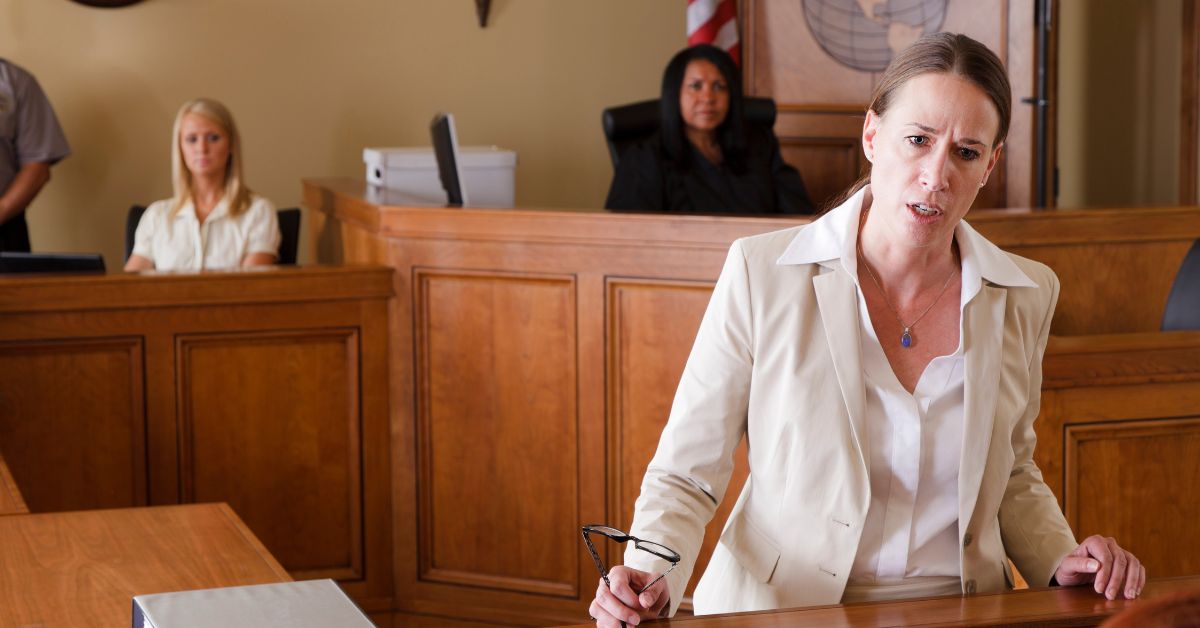
Before a probate case can conclude, the court must review the actions taken while the estate was under supervision. Records describing estate property, financial activity, and decisions made by the estate representative help illustrate how the estate has been handled throughout the process. Judges rely on this documentation to determine whether probate responsibilities have been completed according to legal requirements. Attorneys help families in organizing these materials so the court receives a clear account of the estate’s administration. Careful review helps confirm that estate matters have been addressed appropriately. Probate lawyers in Lucas explain how this final evaluation prepares the case for closure.
Court approval of estate settlement depends on whether the documentation presented accurately reflects the estate’s financial and legal history. Property transfers, payments addressing obligations, and records describing estate activity may all appear within the materials submitted for review. Probate attorneys guide families in preparing these records so the court can evaluate the estate without uncertainty. Judges review this information to ensure the estate has been managed in accordance with probate procedures. When the court determines that the necessary steps have been completed, the estate may move toward final resolution. Thorough preparation helps the probate process reach its final stage smoothly.
Presenting Records of Estate Activity
Documentation describing the estate’s financial activity forms an important part of the court’s final review. Property records, financial statements, and other materials help illustrate how estate matters were addressed during probate. Lawyers assist families in preparing these records so the court receives a complete overview of the estate. Judges rely on these materials when evaluating the progress of the case. Accurate documentation helps demonstrate how the estate has been managed.
Reviewing Financial Transactions
Financial records may describe payments made from estate accounts and transactions involving estate property. Courts review this information to understand how estate funds were handled during probate proceedings. Attorneys assist families in presenting these records clearly for court review.
Confirming Proper Handling of Estate Assets
Court review also considers whether estate assets were managed responsibly while the case was pending. Records describing property management and financial decisions help illustrate how the estate was handled. Confirmation of these actions helps support final probate approval.
Evaluating Completion of Probate Responsibilities
The court also examines whether the responsibilities connected to probate have been satisfied. Estate representatives must address legal obligations, maintain documentation, and follow court procedures during the case. Probate lawyers in Lucas help families organize the information that demonstrates how these responsibilities were fulfilled. Judges rely on this information when determining whether the estate is ready for final settlement. Clear documentation helps confirm that the required steps have been completed.
Reviewing Compliance With Probate Procedures
Probate procedures establish expectations that estate representatives must follow while managing the estate. Courts examine whether filings, notices, and documentation have been completed according to these procedures. Attorneys assist families in confirming that the estate record reflects compliance with these requirements.
Confirming Completion of Administrative Duties
Administrative duties performed during probate may include maintaining records, responding to court instructions, and organizing estate information. Courts review these activities to confirm that the estate has been managed appropriately. Confirmation of these duties helps prepare the case for closure.
Preparing the Estate for Court Approval
Once the estate record reflects completed responsibilities and accurate documentation, the case may be presented for final court approval. This step allows the judge to confirm that the estate has progressed through probate appropriately. Lawyers guide families in preparing the materials required for this review. Judges rely on the estate record when deciding whether the probate case may conclude. Proper preparation helps ensure the court receives a clear presentation of the estate.
Organizing the Final Estate Record
Before final approval occurs, documentation describing the estate must be organized so the court can review it efficiently. Attorneys assist families in assembling the materials that illustrate how the estate has been handled during probate. Organized records help the court evaluate the estate clearly.
Completing the Final Probate Stage
After reviewing the estate record, the court may authorize the conclusion of probate proceedings. This authorization confirms that the estate has satisfied the legal expectations associated with the process. Completion of this stage allows the probate case to reach its final resolution.
Authorizing the Closing of the Probate Case
Once the court is satisfied that estate matters have been resolved, the final step involves formally closing the probate case. Judges review the documentation submitted throughout the case to confirm that all required procedures have been completed. Probate attorneys assist families in preparing the materials needed for this final review. Courts rely on the record of filings and actions taken during probate when deciding whether the estate may close. Formal approval brings the probate process to its conclusion.
Reviewing the Final Court Order
The court may issue an order confirming that probate requirements have been satisfied. This document reflects the court’s decision that the estate has progressed through the required stages. Attorneys assist families in understanding the significance of this order.
Finalizing the Probate Record
The closing order becomes part of the official court record connected to the estate. This record confirms that probate supervision has ended. Completion of the record marks the final stage of the probate case.
Managing Estate Cases in Lucas Through Dooley Noted Law

Estate matters rarely follow a predictable path once probate proceedings begin. Court procedures, property records, and financial obligations must all be addressed in a way that satisfies Texas probate law before an estate can reach its conclusion. Dooley Noted Law works with families who want structured legal direction while these responsibilities are being handled. Attorneys help explain how probate requirements apply to the estate and what steps may arise as the case moves through the court system. Clear legal understanding allows families to approach estate responsibilities with greater preparation. Probate lawyers in Lucas assist individuals who want steady guidance while navigating probate proceedings.
Handling an estate also requires coordination with courts, financial institutions, and individuals connected to the estate. Property ownership records, account documentation, and estate planning materials may all influence the direction the probate case takes. Dooley Noted Law assists families in reviewing these details so the probate record reflects the circumstances accurately. Lawyers help individuals understand how these materials influence court decisions during probate review. Organized documentation helps ensure the estate progresses through probate without unnecessary confusion. Careful legal preparation supports a more stable path toward estate resolution.
Explaining Probate Procedures to Families
Probate cases move through a series of legal stages that determine how estates are reviewed and eventually resolved. Families sometimes encounter probate responsibilities without prior experience with these procedures. Dooley Noted Law explains how probate law applies to estates in Lucas so families understand how the legal process may develop. Probate lawyers in Lucas help individuals recognize how each stage of probate contributes to the settlement of the estate. Clear explanations allow families to approach probate matters with greater awareness.
Clarifying How Probate Proceedings Develop
Probate proceedings often involve several phases that unfold over time. Court filings, document review, and property evaluation may occur at different stages of the case. Dooley Noted Law explains how these phases connect as probate progresses.
Helping Families Understand Probate Timelines
Each probate case follows a timeline shaped by the estate’s assets, documentation, and legal circumstances. Courts evaluate these factors while monitoring the progress of the case. Understanding this timeline helps families prepare for upcoming probate responsibilities.
Reviewing Estate Records and Property Documentation
Accurate records describing estate property help illustrate the financial structure of the estate. Real estate deeds, financial account statements, and ownership records may all influence how probate proceedings develop. Dooley Noted Law reviews these materials with families so the probate record reflects reliable information. Probate lawyers assist individuals who want to understand how these documents influence probate decisions. Careful review helps clarify the circumstances surrounding the estate.
Examining Ownership and Financial Information
Ownership documents reveal how property was held before death and how probate law may apply to those assets. Attorneys review these materials to determine how the estate should proceed through probate. Structured documentation helps ensure the probate record reflects accurate ownership details.
Identifying Information Relevant to Probate Review
Financial statements, property documents, and estate planning materials may all contribute to the information reviewed by the court. Judges rely on this documentation when evaluating estate matters. Reviewing these materials helps families understand how probate decisions may develop.
Addressing Questions That Arise During Probate
Probate proceedings may raise questions about estate property, financial obligations, or the legal responsibilities connected to the estate. Families sometimes seek clarification while navigating these matters because probate procedures can appear unfamiliar. Dooley Noted Law provides explanations that help individuals understand how probate law applies to the estate’s circumstances. Attorneys guide families in recognizing how different issues may influence the probate process. Open communication allows families to approach probate responsibilities with greater confidence.
Discussing Legal Issues Connected to the Estate
Questions may arise regarding property transfers, inheritance rights, or financial matters during probate proceedings. Attorneys assist families in reviewing these issues so the legal circumstances surrounding the estate become clearer. Careful discussion helps clarify the legal environment of the estate.
Helping Families Evaluate Probate Decisions
Decisions made during probate may influence how property transfers and how financial obligations are addressed. Understanding these implications helps families approach probate responsibilities thoughtfully. Clear guidance helps individuals evaluate important probate decisions.
Supporting Communication With Probate Courts
Interaction with the probate court forms a central part of estate settlement. Filings, documentation requirements, and court procedures influence how probate cases progress. Dooley Noted Law works with families to ensure that estate records and communications submitted to the court are prepared accurately. Probate lawyers in Lucas assist individuals who want to understand how these interactions influence probate review. Organized communication helps maintain a clear probate record.
Preparing Court Filings and Documentation
Probate proceedings require documentation describing estate property, financial matters, and actions taken during the case. Attorneys assist families in organizing these materials so the court receives accurate information. Proper documentation helps ensure probate procedures move forward appropriately.
Maintaining Accurate Records for Court Review
Records created during probate become part of the official court file connected to the estate. Courts rely on these documents when reviewing the progress of the case. Maintaining accurate records supports transparency within probate proceedings.
Preparing Estates for Final Probate Resolution
The final phase of probate focuses on confirming that estate responsibilities have been addressed appropriately. Courts review documentation describing property management, financial matters, and actions taken during the case. Dooley Noted Law assists families in organizing these materials so the probate record reflects accurate information. Lawyers help individuals understand how courts evaluate estates before allowing probate to conclude. Legal preparation helps the estate move toward final resolution.
Organizing Documentation for Final Court Review
Before probate can close, the estate record must reflect the actions taken while the estate was under court supervision. Attorneys assist families in presenting documentation that allows the court to review the estate clearly. Organized records support the final stages of probate.
Completing the Steps That Conclude Probate
Once the court determines that probate responsibilities have been fulfilled, the case may proceed toward closure. Final administrative actions may occur before the estate is formally resolved. Completion of these steps allows the probate process to reach its conclusion.
Call Our Probate Lawyers in Lucas for a Free Case Review Today
Legal matters connected to an estate do not automatically resolve once probate begins. Documentation describing financial accounts, real property interests, and prior estate planning decisions often shapes how the process unfolds. Attention to these details helps ensure the estate progresses through probate in an orderly and legally compliant manner.
Dooley Noted Law works with individuals in Lucas who want experienced legal direction while navigating probate responsibilities. Each estate presents different circumstances that influence the path probate will follow. Attorneys guide families in understanding how court expectations, estate documentation, and financial considerations interact during the probate process. Careful legal guidance can make it easier to approach probate decisions with preparation and confidence. Call Dooley Noted Law today at (972) 640-5684 or visit our contact page to speak with our probate lawyers in Lucas and get the help you deserve.