
Who Can File for Will Contest Services in Dallas?
Understanding who may pursue will contest services in Dallas helps families protect their legal rights during probate proceedings. Texas law limits who can challenge a will, making it important to determine eligibility before taking action. Certain individuals may have standing to contest a will when they believe serious legal issues affected its validity. Learning these requirements early helps prevent unnecessary delays and supports informed decisions throughout the probate process. Understanding your eligibility before filing also helps you avoid procedural mistakes that could affect your ability to pursue a successful claim.
Questions about a loved one’s estate often create uncertainty, especially when you believe a will does not reflect their true intentions. Navigating probate disputes without experienced legal guidance can become overwhelming when emotions and legal deadlines intersect. At Dooley Noted Probate, we help clients understand their legal rights while protecting their interests throughout every stage of the probate process. If you have concerns about the validity of a will, call us at (972) 640-5684 to discuss your situation with our team.
How a Will Contest Services Attorney in Dallas Provides Support
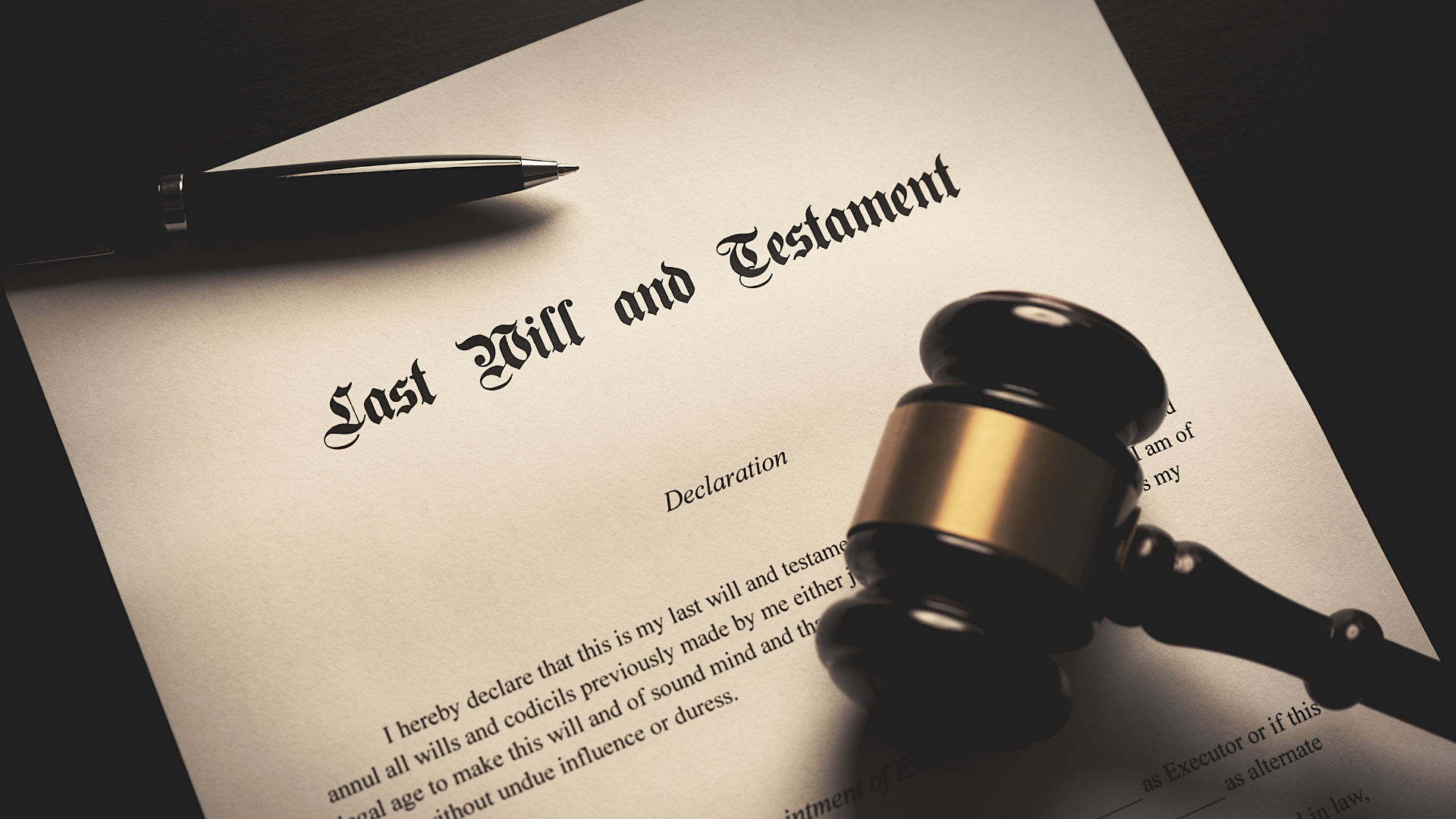
Dooley Noted Probate provides experienced guidance for individuals seeking will contest services in Dallas while protecting their legal rights throughout probate proceedings. We carefully evaluate every circumstance to determine whether you have legal standing to challenge a will under Texas law. We explain every stage of the probate process while helping clients understand potential outcomes before important decisions are made. Our goal remains protecting your interests through strategic representation tailored to your unique circumstances.
We understand that contesting a will often involves complicated legal issues and deeply personal family relationships. We work closely with clients to gather supporting evidence, review estate planning documents, and identify issues affecting a will’s validity. We also prepare clients for each step of the legal process while addressing questions as they arise. Throughout your case, we remain committed to pursuing the best possible outcome while protecting your legal rights.
Understanding Who Has Legal Standing
Not everyone may challenge a will simply because they disagree with its contents or expected a different inheritance. Texas courts generally require interested parties to demonstrate that the probate outcome directly affects their legal or financial interests. Establishing legal standing represents one of the first requirements before a will contest may proceed. Understanding these qualifications helps individuals determine whether pursuing legal action remains appropriate.
Immediate Family Members
Spouses, children, and certain close relatives often possess legal standing when legitimate concerns exist regarding a will’s validity. Their relationship to the deceased frequently creates a direct financial interest in the estate. However, each case depends upon the surrounding facts and applicable probate laws. Careful legal review helps determine whether an individual qualifies to pursue a will contest.
Individuals Named in Previous Wills
People included within an earlier version of a will sometimes possess standing to challenge a newer document. Their legal interest may arise if the previous will provided greater inheritance rights than the current version. Reviewing earlier estate planning documents often reveals important differences affecting eligibility. Careful evaluation helps determine whether pursuing a challenge may be legally justified.
Common Legal Grounds for Contesting a Will
Successfully contesting a will generally requires valid legal grounds supported by credible evidence rather than personal disagreement alone. Probate courts carefully evaluate allegations involving undue influence, fraud, lack of capacity, or improper execution. Understanding these legal standards helps families determine whether their concerns justify further legal action. Strong preparation often improves the likelihood of presenting a persuasive claim.
Undue Influence
Undue influence occurs when another person improperly pressures someone into changing estate planning decisions for personal benefit. Courts examine relationships, surrounding circumstances, and available evidence before determining whether improper influence occurred. Demonstrating undue influence typically requires substantial factual support rather than assumptions. Careful investigation frequently strengthens claims involving suspicious changes to a will.
Lack of Mental Capacity
A legally valid will generally requires the person signing it to understand important decisions concerning their estate and beneficiaries. Serious medical conditions or cognitive decline sometimes raise questions regarding mental capacity at the time of execution. Courts evaluate medical evidence, witness testimony, and surrounding circumstances before reaching conclusions. Comprehensive documentation frequently provides valuable support during these proceedings.
Evidence That Strengthens a Will Contest
Strong evidence often determines whether a will contest succeeds during probate litigation. Medical records, financial documents, witness testimony, and estate planning records may all contribute important support for your claim. Gathering evidence promptly helps preserve valuable information before it becomes unavailable. Organized documentation frequently strengthens the overall presentation of your case.
Medical Records and Professional Opinions
Medical records may help establish whether someone possessed the mental capacity required to execute a legally valid will. Professional evaluations often provide important insight regarding cognitive ability during estate planning. These records become even more valuable when supported by additional evidence and witness testimony. Thorough review helps present a clearer picture of the circumstances surrounding the will.
Witness Testimony
Individuals who observed important conversations or events surrounding the creation of a will may provide meaningful testimony. Witnesses sometimes identify concerning behavior, unusual circumstances, or signs of outside influence affecting important decisions. Their observations often strengthen claims when supported by reliable documentation. Consistent testimony frequently enhances the credibility of a will contest.
Common Reasons Families Seek Will Contest Services in Dallas

Families pursue will contest services in Dallas when they believe serious legal issues affected the validity of a loved one’s final wishes. While disagreements over inheritance alone rarely justify a contest, Texas law recognizes several legitimate grounds for challenging a will. Understanding these common issues helps families determine whether further investigation may be appropriate before pursuing legal action. Careful evaluation of the surrounding circumstances often provides valuable insight into whether a legal challenge has merit.
Concerns About Undue Influence
Undue influence represents one of the most common reasons families seek to contest a will in Dallas. These claims arise when someone allegedly pressures or manipulates another person into changing estate planning decisions for personal benefit. Courts carefully examine the relationship between the individuals involved, along with the circumstances surrounding the execution of the will. Identifying signs of improper influence early often helps preserve valuable evidence for a potential claim.
Recognizing Warning Signs
Certain situations may raise questions regarding whether undue influence affected a person’s estate planning decisions. Unexpected changes benefiting one individual, isolation from family members, or sudden revisions shortly before death may warrant closer review. Although these circumstances do not automatically invalidate a will, they frequently justify additional investigation. Evaluating the complete timeline helps provide important context for determining whether improper influence occurred.
Examining Relationships and Circumstances
Courts often review the relationship between the deceased and the individual accused of exerting undue influence. Financial dependence, caregiving responsibilities, or significant control over daily activities may become relevant during this evaluation. Witness testimony and supporting documentation frequently help explain how these relationships developed over time. A complete review of the surrounding circumstances often strengthens the overall assessment.
Questions About Mental Capacity
Questions regarding mental capacity frequently arise when someone creates or modifies a will while experiencing cognitive decline or serious illness. Texas law generally requires individuals to understand the nature of their property, beneficiaries, and estate planning decisions when signing a will. Medical conditions affecting memory or judgment sometimes create uncertainty regarding legal capacity. Reviewing available evidence helps determine whether these concerns may support a valid challenge.
Evaluating Medical Evidence
Medical records often provide valuable information regarding an individual’s physical and cognitive condition when a will was executed. Physician evaluations, treatment notes, and documented diagnoses may all contribute meaningful evidence during a will contest. These records become especially important when they align with witness observations and other supporting documentation. Thorough review helps create a clearer understanding of the individual’s condition.
Considering Witness Observations
Friends, relatives, caregivers, and medical professionals sometimes observe behavior that may help explain a person’s mental condition. Their testimony may provide important details regarding memory problems, confusion, or decision-making abilities during the relevant period. Courts frequently consider these observations alongside medical documentation when evaluating mental capacity. Consistent testimony often strengthens the credibility of a claim.
Allegations of Fraud or Improper Execution
Some will contests involve claims that fraudulent conduct occurred during the preparation or signing of estate planning documents. Others focus on whether the will satisfied Texas legal requirements for proper execution. Missing signatures, improper witnesses, or forged documents may all create grounds for challenging a will. Identifying procedural errors early helps families better understand their legal options.
Reviewing the Will Signing Process
Examining how the will was prepared and signed often reveals whether legal formalities were properly followed. Witness participation, document execution procedures, and compliance with Texas probate laws all play important roles during this review. Even minor procedural issues may become significant when combined with other legal concerns. Careful analysis helps determine whether execution problems affected the validity of the will.
Identifying Supporting Documentation
Supporting documents frequently provide important context when questions arise regarding fraud or improper execution. Earlier versions of the will, correspondence, financial records, and estate planning files may all help clarify important facts. Organized documentation often allows interested parties to identify inconsistencies that deserve additional attention. Collecting these materials promptly may strengthen any future legal challenge.
How Long Do You Have to Contest a Will in Dallas?

Understanding how long you have to contest a will in Dallas remains an important part of protecting your legal rights. Texas probate laws establish deadlines that may affect whether a will contest proceeds in court. Missing an applicable deadline could limit your legal options, even when legitimate concerns exist regarding the validity of a will. Learning about these timelines early allows interested parties to gather evidence and prepare for the probate process more effectively.
Why Filing Deadlines Matter
Will contest deadlines exist to promote fairness while allowing estates to move through probate without unnecessary delays. Acting within the required timeframe helps preserve evidence, locate witnesses, and protect important legal rights. Waiting too long may create additional challenges, even if substantial evidence supports a claim. Understanding these requirements encourages families to make informed decisions before valuable opportunities are lost.
Protecting Your Ability to File
Taking action promptly helps ensure your claim receives proper consideration under Texas probate procedures. Early preparation also provides additional time to review estate planning documents and identify potential legal issues. Gathering information before deadlines expire often strengthens the overall presentation of a claim. Careful planning frequently reduces unnecessary stress throughout the probate process.
Beginning the Process Early
Starting the evaluation process shortly after probate begins allows interested parties to identify important facts while evidence remains available. Witness memories generally remain clearer when events occurred more recently. Important documents may also become easier to locate during the early stages of probate. Taking these initial steps often places families in a stronger position moving forward.
Factors That May Affect the Timeline
The deadline for contesting a will may vary depending on the circumstances surrounding the estate and the legal basis for the challenge. Questions involving fraud or newly discovered evidence sometimes create different legal considerations than standard probate disputes. Every situation deserves careful evaluation before assumptions are made regarding applicable deadlines. Understanding these factors helps families determine the most appropriate course of action.
The Probate Process Can Influence Timing
The stage of the probate proceeding often affects how a will contest moves through the legal system. Filing before certain probate milestones may provide different opportunities than filing later in the process. Reviewing the current status of the estate helps interested parties better understand available legal options. Staying informed throughout probate supports more effective decision-making.
Estate Administration Continues During Probate
Estate administration frequently continues while legal questions are being addressed during probate proceedings. Executors may still perform certain responsibilities under court supervision unless ordered otherwise. Understanding how administration continues helps beneficiaries manage expectations throughout the process. This knowledge also provides greater clarity regarding the overall timeline.
Why Prompt Investigation Benefits Your Case
Investigating potential concerns as soon as possible often improves the ability to build a well-supported will contest. Important evidence may become more difficult to obtain as time passes, especially when documents disappear or witnesses become unavailable. Early investigation also allows additional time to consult experts when necessary. Thorough preparation frequently contributes to a stronger legal position.
Preserving Important Evidence
Medical records, financial documents, correspondence, and prior estate planning materials may all become valuable during a will contest. Collecting these materials early helps prevent unnecessary delays and reduces the risk of missing important information. Organized documentation also allows interested parties to identify patterns supporting their concerns. Careful record collection strengthens the overall evaluation of the claim.
Speaking With Potential Witnesses
Individuals familiar with the deceased or the estate planning process may provide valuable information regarding the circumstances surrounding the will. Speaking with witnesses early often results in more accurate recollections of important events. Their observations may help clarify questions involving mental capacity, undue influence, or document execution. Consistent witness testimony frequently strengthens the credibility of a will contest.
Understanding the Importance of Legal Guidance
Will contests often involve procedural requirements that extend beyond meeting filing deadlines alone. Interested parties may need to gather evidence, prepare legal documents, and respond to probate court requirements throughout the case. Understanding these responsibilities early helps families avoid unnecessary complications during litigation. Careful preparation frequently leads to a more organized and efficient probate process.
Preparing Before Important Deadlines
Creating a plan before applicable deadlines approach allows interested parties to evaluate available evidence and identify potential legal issues. Reviewing estate planning documents alongside supporting records often provides greater insight into the strength of a claim. Organized preparation also reduces the likelihood of overlooking important details. A thoughtful approach supports more informed decisions throughout the probate process.
Staying Organized Throughout the Process
Maintaining organized records helps individuals track important documents, correspondence, and probate deadlines as the case progresses. Keeping detailed information together also simplifies communication with professionals and interested parties. Consistent organization often reduces unnecessary confusion while improving overall case management. Remaining proactive helps families navigate probate proceedings with greater confidence.
What to Expect During a Will Contest Case in Dallas Probate Court

Understanding what to expect during a will contest case in Dallas Probate Court helps families prepare for each stage of the legal process. Probate litigation often involves multiple hearings, document reviews, and opportunities for both sides to present evidence. Although every case differs, knowing how these proceedings generally unfold helps reduce uncertainty and encourages informed decision-making. Becoming familiar with the process also allows interested parties to prepare realistic expectations before litigation begins.
Filing the Will Contest
A will contest typically begins when an interested party files the appropriate legal documents with the probate court. The filing generally explains the legal grounds supporting the challenge and identifies the issues requiring judicial review. Courts expect parties to comply with procedural requirements while meeting applicable filing deadlines. Completing this initial step properly helps establish the foundation for the remainder of the case.
Presenting the Legal Basis
Every will contest must identify recognized legal grounds supporting the challenge rather than relying upon personal disagreement alone. Claims may involve allegations of undue influence, fraud, lack of mental capacity, or improper execution of the will. Clearly explaining these legal issues allows the court to understand the purpose of the contest. Well-prepared filings often contribute to a more organized legal process.
Supporting the Initial Filing
The documents submitted with a will contest may include information supporting the allegations presented to the court. Estate planning documents, prior wills, medical records, and other relevant materials sometimes accompany the initial filing. Providing organized documentation helps establish the factual basis for the claim. Strong preparation often improves the efficiency of future proceedings.
Gathering Evidence During the Case
Once litigation begins, both sides generally gather evidence supporting their respective positions before the court. This stage often involves collecting documents, interviewing witnesses, and reviewing records related to the deceased’s estate planning decisions. Thorough investigation helps clarify disputed facts while identifying strengths and weaknesses within each argument. Careful preparation frequently influences how the case develops moving forward.
Reviewing Important Documents
Estate planning documents frequently serve as central pieces of evidence during a will contest. Medical records, financial statements, correspondence, and previous versions of a will may all provide valuable information. Reviewing these materials carefully helps identify inconsistencies or circumstances supporting legal claims. Organized documentation often makes complex probate issues easier to evaluate.
Obtaining Witness Testimony
Witnesses may provide valuable information regarding the circumstances surrounding the preparation and signing of a will. Family members, friends, caregivers, financial professionals, and medical providers sometimes possess firsthand knowledge relevant to disputed issues. Their observations may help explain questions involving mental capacity or possible undue influence. Credible testimony often strengthens the overall presentation of a case.
Court Hearings and Legal Proceedings
Most will contest cases involve one or more court hearings before reaching a final resolution. During these proceedings, the parties may present legal arguments, introduce evidence, and respond to issues raised by the opposing side. The probate judge evaluates the available information while applying Texas law to the disputed issues. Each hearing helps move the case toward an eventual resolution.
Addressing Disputed Issues
The court carefully considers disagreements involving the validity of the will and the evidence presented by each party. Legal arguments frequently focus upon whether the statutory requirements for a valid will were satisfied. Supporting documentation and witness testimony often receive close examination during these proceedings. Careful presentation of the facts helps the court evaluate the merits of the contest.
Following Court Procedures
Probate courts require parties to follow established rules governing filings, evidence, and scheduled hearings throughout the litigation process. Meeting procedural requirements helps prevent unnecessary delays while allowing the case to progress efficiently. Remaining organized also helps interested parties respond promptly to court deadlines and requests. Consistent preparation supports smoother participation throughout each stage of the proceedings.
Possible Outcomes of a Will Contest
Every will contest concludes according to the specific facts, evidence, and legal issues presented during the case. Some disputes result in negotiated settlements, while others require the probate court to issue a final ruling after reviewing all available evidence. The outcome depends upon whether sufficient proof supports the legal grounds asserted by the challenging party. Understanding these possibilities helps families prepare for different potential resolutions.
Settlement Before Trial
Some probate disputes reach resolution before a final trial through discussions between the interested parties. Settlement may reduce litigation costs while allowing families to avoid prolonged courtroom proceedings. Reaching an agreement depends upon the willingness of both sides to negotiate in good faith. Successful settlements often provide greater certainty while concluding the dispute more efficiently.
Receiving the Court’s Decision
If a settlement does not occur, the probate judge ultimately decides the issues based upon the evidence and applicable Texas law. The court may uphold the existing will, invalidate portions of the document, or determine that another version controls the distribution of the estate. Every decision depends upon the specific facts presented throughout the litigation. Understanding how these rulings are reached helps families better navigate the probate process.
Contact an Experienced Will Contest Services Attorney in the Dallas Area Today

Resolving probate disputes often requires experienced legal guidance combined with a thorough understanding of Texas probate laws. At Dooley Noted Probate, we understand the emotional and financial challenges families face when questioning a loved one’s will. We work diligently to protect our clients’ interests while pursuing practical legal solutions tailored to their circumstances. Our team remains committed to providing responsive communication and personalized representation throughout every stage of your case.
Every probate dispute deserves careful legal analysis and thoughtful preparation before important decisions are made. We take the time to understand your concerns, explain your legal options, and develop strategies designed to protect your interests. Our commitment centers on helping families navigate complex probate matters with greater confidence and clarity. Call us at (972) 640-5684 or reach out online today to schedule a consultation with our team.