Probate Lawyers in Heath
When an estate enters probate, the court becomes responsible for overseeing how property, financial accounts, and legal obligations connected to the decedent are handled. Probate proceedings determine who has the authority to act on behalf of the estate and how inheritance instructions will be carried out under Texas law. During this process the estate representative gathers records, reports estate property, and communicates with the court about the administration of the estate. Probate lawyers in Heath help families understand how these legal procedures operate once probate begins. Attorneys explain what the court expects from the representative and how the estate will move through each stage of administration. Clear guidance at the beginning of probate allows families to prepare for the responsibilities that follow.
The legal process surrounding probate can involve reviewing estate documents, identifying property that must be reported to the court, and organizing financial records tied to the estate. Probate lawyers in Heath assist families with understanding how these responsibilities fit within the structure of Texas probate law. This guidance may include explaining court filings, clarifying the role of the estate representative, and outlining the sequence of events that occurs during administration. When families understand how probate procedures work, it becomes easier to manage the tasks required to settle an estate. Call Dooley Noted Law at (972) 640-5684 to get a free case review from our probate lawyers in Heath today.
How Probate Courts Validate a Will Before Estate Administration Begins
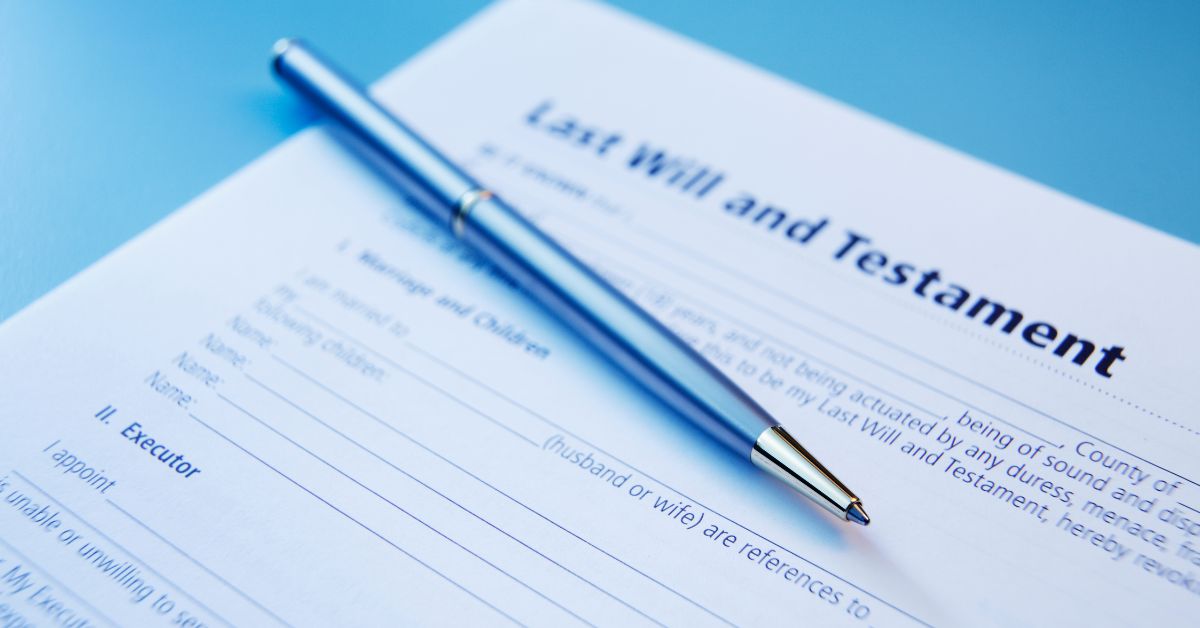
Before probate administration can proceed, the court must determine that the will presented to the court meets the legal standards required under Texas probate law. Probate attorneys in Heath assist families with understanding how this validation process works once a will is submitted to the probate court. Judges examine the document to confirm that it reflects the decedent’s written instructions for distributing property after death. This review allows the court to confirm that the document presented truly represents the final estate instructions of the decedent. Establishing the validity of the will allows the probate process to move forward with legal clarity. Court recognition provides the foundation for estate administration. Dooley Noted Law helps you identify the validity of the will initially before progressing with the rest of the process.
The validation process also involves confirming that the document satisfies the formal requirements necessary for probate acceptance. Probate lawyers in Heath help families prepare the supporting materials that allow the court to evaluate the will properly. These materials may include the original will, the death certificate, and testimony connected to the execution of the document. Courts examine this information to determine whether the will was signed and witnessed according to Texas law. When the court accepts the document, it formally recognizes the will as the governing estate instruction. This recognition allows the estate representative to begin administering the estate.
Confirming That the Will Meets Legal Requirements
Texas probate law establishes specific standards that must be satisfied before a will can be accepted into probate. Probate lawyers in Heath explain how these requirements involve the way the will was signed and how witnesses participated in the execution of the document. Courts review the available information to confirm that these legal conditions were met. This review ensures that the document reflects a legally valid expression of the decedent’s intentions. Meeting these requirements allows the will to be admitted into probate.
Examining the Signatures on the Will
One of the primary elements examined by the probate court involves the signatures appearing on the will. Judges review the document to confirm that the decedent signed the will in accordance with legal requirements. The presence of proper signatures supports the authenticity of the document presented to the court.
Verifying the Witness Participation
Witnesses play an important role in confirming that the will was executed properly. Courts examine whether the required number of witnesses observed the signing of the document. Proper witness participation strengthens the legal validity of the will.
Reviewing Testimony Supporting the Will
Probate courts may rely on testimony when evaluating whether the will should be accepted into probate. Probate attorneys help prepare the statements or affidavits that support the document’s validity. Witness testimony may describe how the will was signed and how the execution ceremony occurred. Judges review these statements to confirm that the legal requirements were satisfied. This testimony helps the court evaluate the authenticity of the will.
Using Affidavits to Support Probate Review
Affidavits may be submitted to provide written confirmation regarding the execution of the will. These statements often describe the circumstances surrounding the signing of the document. Courts review these affidavits as part of the validation process.
Confirming the Authenticity of the Document
The probate court evaluates the information presented to determine whether the will is genuine. Judges consider the document, signatures, and testimony when making this determination. Confirming authenticity allows the will to be admitted into probate.
Determining Whether the Will Represents Final Estate Instructions
Another important aspect of the probate review involves determining whether the document presented represents the decedent’s final will. Probate lawyers in Heath explain how courts examine whether later documents exist that might replace the will submitted for probate. If a more recent will exists, it may control the administration of the estate. Courts rely on available records to determine which document reflects the decedent’s final instructions. This evaluation protects the integrity of the probate process.
Searching for Later Estate Documents
The probate court may consider whether any later wills or amendments exist. Estate representatives review personal records and financial files when identifying possible updates. This review helps determine whether the submitted will represents the final version.
Confirming the Controlling Estate Document
Once the court determines that the submitted will is the final valid document, it becomes the controlling instruction for estate administration. The estate representative must follow the directions contained in the will during probate. Court confirmation establishes the document that governs inheritance decisions.
Addressing Situations Where a Will Is Contested
In some probate cases questions may arise regarding the validity of the will presented to the court. Probate lawyers in Heath help families understand how probate courts evaluate concerns raised about the document. Interested parties may present evidence or testimony challenging the validity of the will. Judges review this information before making a decision about whether the will should remain in probate. Court evaluation ensures that inheritance decisions rely on a legally valid document.
Presenting Evidence to the Probate Court
When questions arise about the will, the probate court reviews evidence connected to the dispute. This evidence may include testimony, written documents, or other information related to the will’s execution. Courts evaluate these materials before reaching a decision.
Resolving Questions About Will Validity
After reviewing the available evidence, the probate court determines whether the will should remain recognized for probate purposes. This decision resolves questions about the document’s validity. Court rulings establish the legal instructions that guide estate administration.
How Evidence Is Used to Establish Heirship During Probate
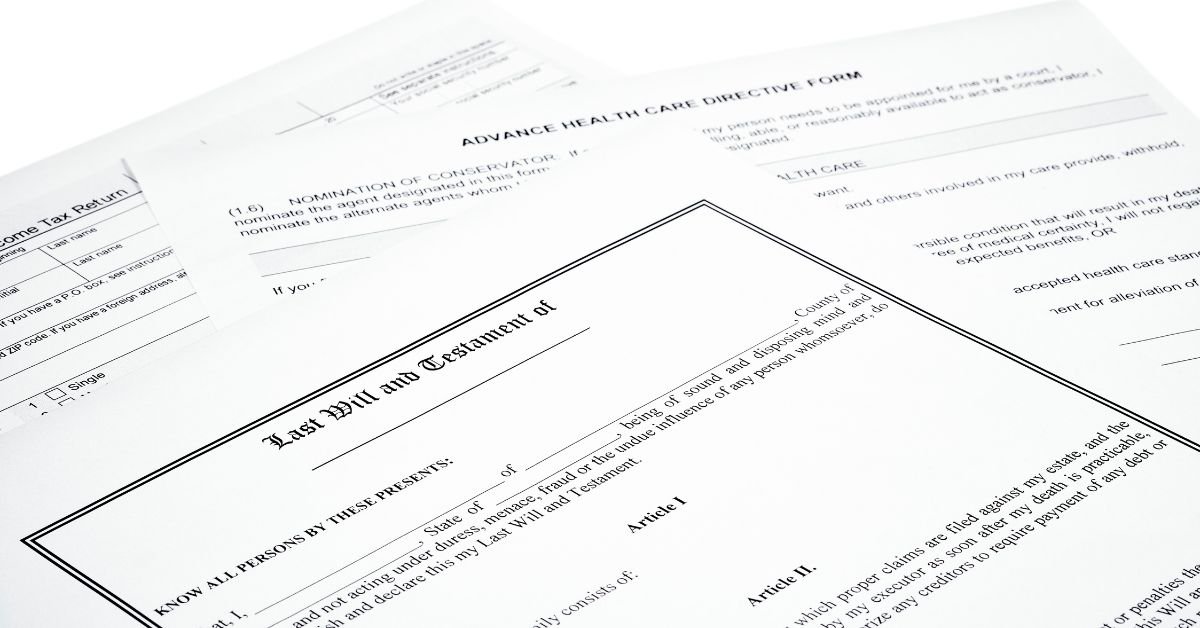
Establishing heirship allows the probate court to determine which relatives have the legal right to inherit from an estate when questions arise about family relationships or inheritance rights. Probate lawyers in Heath help families understand how the court evaluates documentation and testimony when identifying heirs connected to the estate. Courts rely on credible information that demonstrates how individuals are related to the decedent. This process allows the judge to confirm the family structure that governs inheritance under Texas probate law. Evidence presented during probate helps the court evaluate these relationships carefully. Accurate information ensures the probate process identifies the correct heirs.
The probate court examines several forms of evidence before determining which individuals qualify as heirs of the estate. Probate attorneys assist estate representatives with gathering the documents that help demonstrate family relationships and inheritance eligibility. These materials may include birth records, marriage certificates, and other legal documents that establish family connections. Testimony from individuals familiar with the family history may also support the court’s review. Judges evaluate this information before issuing a determination regarding heirship. This evaluation provides the legal clarity required for probate administration to continue.
Reviewing Family Records to Establish Relationships
Family records often provide the foundation for identifying heirs during probate proceedings. Probate lawyers in Heath help examine documents that confirm how individuals are connected to the decedent. Birth certificates, marriage records, and other official documents may reveal the structure of the decedent’s family relationships. Courts rely on these records when determining which relatives qualify as heirs under Texas law. Careful documentation helps ensure the court receives an accurate picture of the family structure.
Examining Birth and Marriage Documentation
Birth certificates and marriage records frequently serve as primary evidence when establishing family relationships during probate. These documents provide verifiable details about parentage and marital connections within the family. Courts review these records to confirm the legal relationships that influence inheritance rights.
Confirming Legal Family Connections
Once documentation is reviewed, the probate court evaluates whether the records demonstrate valid family relationships. Verified connections help identify which relatives qualify as heirs under probate law. Confirming these relationships allows inheritance determinations to proceed with clarity.
Using Testimony to Clarify Family History
In some probate cases, testimony helps explain family relationships that are not fully documented by written records. Probate attorneys in Heath help prepare witnesses who can describe the family structure and relationships connected to the estate. These witnesses may include relatives, longtime family friends, or other individuals familiar with the family history. Their statements help the court understand how individuals are related to the decedent. Judges evaluate this testimony alongside documentary evidence presented during probate.
Presenting Witness Testimony to the Court
Witness testimony may describe family relationships, household connections, or other details relevant to heirship. Individuals offering testimony explain what they know about the decedent’s family structure. Courts review this testimony when evaluating claims regarding inheritance rights.
Supporting Heirship Determinations With Testimony
Testimony may strengthen the documentary evidence presented during probate proceedings. Witness statements can help clarify relationships when records are incomplete or unavailable. These explanations assist the court in determining the proper heirs.
Evaluating Conflicting Evidence About Heirs
Occasionally different individuals may present competing claims regarding inheritance rights during probate. Probate attorneys in Heath help explain how courts review evidence when disagreements arise about heirship. Judges consider documents, testimony, and other available information before reaching a determination. The court evaluates the credibility of each piece of evidence presented during the proceeding. This process allows the judge to resolve disputes about family relationships.
Reviewing Competing Claims of Inheritance
When multiple parties claim inheritance rights, the probate court examines the evidence supporting each claim. Documents and testimony are evaluated to determine which relationships satisfy the requirements of probate law. Careful review helps ensure that inheritance decisions rely on reliable information.
Determining Which Evidence Is Most Reliable
Judges evaluate the credibility and consistency of the evidence presented during heirship proceedings. Reliable documentation and testimony carry greater weight during the court’s review. This evaluation allows the probate court to identify the rightful heirs.
Issuing the Court’s Determination of Heirship
After reviewing the available evidence, the probate court issues a determination identifying the heirs of the estate. Probate attorneys in Heath explain how this ruling establishes the individuals entitled to inherit property under Texas probate law. The court’s determination becomes part of the official probate record. Estate representatives rely on this ruling when preparing for the distribution of estate property. The decision provides legal clarity regarding inheritance rights.
Documenting the Court’s Heirship Decision
The probate court records its heirship determination in the official case file. This documentation identifies the individuals recognized as heirs of the estate. The record allows estate administration to proceed according to the court’s ruling.
Applying the Heirship Determination to Estate Distribution
Once the court identifies the heirs, the estate representative prepares to distribute property according to the determination. The ruling guides how estate assets will eventually transfer to those heirs. This decision establishes the inheritance structure used during probate administration.
What Probate Courts Require Before an Executor Can Act
Before an executor begins managing estate property or addressing financial obligations, the probate court must confirm that the individual has legal authority to act on behalf of the estate. Probate lawyers in Heath explain how courts review the filings that request formal recognition of the executor’s role during probate administration. This review ensures that the court understands who intends to manage the estate and whether the appointment follows Texas probate requirements. Judges evaluate the submitted petition and supporting documents before allowing the administration process to move forward. The court’s review protects the estate by confirming that the correct individual will handle estate responsibilities. This legal confirmation establishes the foundation for probate administration.
Formal authorization also allows outside institutions to recognize the executor as the individual responsible for estate affairs. Probate lawyers in Heath assist estate representatives with preparing the documentation that courts require before granting this authority. Financial institutions, government agencies, and other parties rely on court recognition before releasing information or transferring property connected to the estate. Courts examine the submitted materials to ensure the appointment aligns with the will or applicable probate law. Once authorization is granted, the executor gains the legal standing necessary to begin managing estate matters. Court approval allows probate administration to proceed with recognized authority.
Filing the Petition Requesting Executor Authority
The process of authorizing an executor normally begins with a petition submitted to the probate court. Probate attorneys help prepare the documents that identify the proposed executor and describe the estate involved in the probate proceeding. The petition explains why the individual has the right to serve as executor under the will or applicable law. Courts review this filing to determine whether the request satisfies probate requirements. This filing introduces the executor to the court.
Providing Documentation Supporting the Petition
Supporting documents accompany the petition so the court can evaluate the request for executor authority. These materials may include the will, death certificate, and information identifying heirs connected to the estate. Courts examine these records when reviewing the request for appointment.
Establishing the Executor’s Eligibility to Serve
Judges confirm that the proposed executor meets the legal qualifications required under Texas probate law. Certain circumstances may prevent a person from serving in this role. Confirming eligibility ensures that estate administration begins with a qualified representative.
Court Review of the Executor Appointment
After the petition is submitted, the probate court evaluates whether the proposed executor should be formally recognized. Probate attorneys in Heath explain how judges examine the documents and information provided in support of the appointment. Courts consider whether the will names the individual as executor and whether the individual is willing to accept the role. The judge may also review whether any objections have been raised regarding the appointment. This review allows the court to determine whether the executor should receive legal authority.
Evaluating the Executor Named in the Will
When a will identifies a specific executor, the court reviews the document to confirm the nomination. Judges examine the language of the will to determine whether the appointment is clear and legally valid. This evaluation helps ensure the estate follows the decedent’s written instructions.
Confirming the Executor’s Acceptance of the Role
The proposed executor must confirm a willingness to perform the responsibilities associated with estate administration. Courts recognize the appointment only after confirming that the individual accepts the role. This confirmation establishes accountability for managing estate affairs.
Issuing Letters That Authorize Estate Administration
Once the probate court approves the executor’s appointment, it issues official documents confirming that authority. Probate attorneys in Heath explain how these letters allow the executor to interact with financial institutions and other organizations connected to the estate. These documents serve as formal proof that the executor may act on behalf of the estate. Banks, investment firms, and government agencies typically require these letters before releasing estate information. The issuance of these documents marks a significant step in the probate process.
Understanding the Role of Probate Authorization Documents
The court issued letters verify that the executor has the authority to administer estate affairs. These documents confirm that the probate court recognizes the executor’s role. Institutions rely on these letters when working with estate representatives.
Using Court Authorization to Manage Estate Matters
Executors present these authorization documents when handling estate property and financial accounts. The documents demonstrate that the court has granted legal authority to act. This authorization allows estate administration to proceed within the probate system.
Situations Where the Court Appoints an Administrator
Some estates move through probate without a will naming an executor. Probate attorneys help families understand how courts appoint an administrator when no executor is identified. The probate court may consider family members or other qualified individuals who are willing to accept the role. Judges review the available information before selecting the person who will manage the estate. This appointment ensures that estate administration can proceed even without a named executor.
Evaluating Candidates for Estate Administration
The probate court reviews potential candidates who may serve as administrator of the estate. Family relationships and willingness to accept responsibility may influence this decision. Courts consider these factors when determining who should manage the estate.
Granting Authority to the Court Appointed Administrator
Once an administrator is selected, the probate court issues documents confirming the appointment. These documents grant the administrator authority to manage estate property and obligations. This appointment ensures that probate administration continues under court supervision.
How Estate Property Is Managed While Probate Is Pending

While a probate case remains active, estate property must be preserved and managed under the supervision of the probate court. Probate lawyers in Heath explain how estate representatives take responsibility for safeguarding assets during this stage of administration. Financial accounts, real estate holdings, and personal property all require attention so their value remains protected while probate proceeds. The court expects representatives to manage estate assets carefully while maintaining accurate records of any activity involving those assets. Responsible oversight helps ensure that property remains available for eventual distribution. Careful management protects the estate during probate administration.
Estate representatives must also ensure that property is used appropriately while probate remains open. Probate attorneys in Heath help families understand how probate law limits the way estate property can be handled before distribution occurs. Representatives may maintain property, secure assets, and address necessary expenses connected to estate property. These responsibilities allow the estate to remain stable while the probate process continues. Courts expect representatives to maintain transparency while carrying out these tasks. Proper management helps maintain the integrity of the estate.
Protecting Real Estate and Physical Property
Real estate and physical property often represent significant components of an estate. Probate lawyers in Heath assist representatives in understanding how these assets should be maintained while probate remains active. Homes, land, vehicles, and valuable personal belongings may require monitoring to prevent damage or loss. Representatives take steps to ensure these assets remain secure during administration. Responsible property oversight preserves value for the eventual beneficiaries.
Maintaining Estate Property During Administration
Estate representatives must ensure that real estate and other physical assets remain protected during probate. This responsibility may involve routine maintenance, insurance coverage, and monitoring property conditions. Maintaining these assets helps preserve their value during administration.
Preventing Loss or Damage to Estate Assets
Protecting estate property requires attention to security and upkeep while probate continues. Representatives monitor property to ensure it remains safe and properly maintained. These efforts help safeguard estate assets for the individuals who will inherit them.
Managing Financial Accounts Connected to the Estate
Financial accounts must also be managed carefully during probate administration. Probate attorneys in Heath explain how estate representatives review bank accounts, investment portfolios, and other financial assets belonging to the estate. These accounts may remain open while probate proceeds so that necessary expenses can be addressed. Representatives track all financial activity connected to the estate. Courts expect clear records describing how estate funds are handled.
Monitoring Estate Financial Activity
Representatives review financial statements and account records while probate remains open. Monitoring financial activity allows representatives to track estate funds accurately. Detailed records help demonstrate responsible financial oversight.
Documenting Financial Transactions
Every transaction involving estate funds should be recorded carefully. Financial documentation helps establish how estate assets were managed during probate. Clear records support transparency during administration.
Addressing Necessary Expenses During Probate
Certain expenses may arise while the estate remains under probate supervision. Probate attorneys help representatives understand which expenses may be paid from estate funds during administration. Property maintenance, insurance premiums, and administrative costs may require payment while probate continues. Representatives must review these expenses carefully before using estate funds. Courts expect representatives to document how these obligations are addressed.
Evaluating Expenses Connected to Estate Property
Representatives review expenses related to maintaining estate property during probate. These expenses may include repairs, insurance, or other necessary costs. Careful review helps ensure estate funds are used responsibly.
Paying Legitimate Estate Expenses
When expenses qualify under probate rules, representatives may authorize payment from estate funds. Financial records document how these expenses were handled. Responsible payment practices protect estate assets.
Preparing Property for Eventual Distribution
Although distribution does not occur until later in the probate process, representatives begin preparing property for that stage while administration continues. Probate attorneys explain how representatives organize documentation describing estate assets during this time. Accurate records help confirm how property will eventually transfer to heirs or beneficiaries. Preparation during probate helps prevent confusion once distribution begins. Courts rely on these records when reviewing estate administration.
Organizing Records for Estate Assets
Representatives maintain records describing estate property and financial accounts. These records help ensure assets are identified correctly during probate administration. Organized documentation supports later distribution decisions.
Ensuring Property Is Ready for Distribution
Preparing property for eventual distribution helps the estate transition smoothly once probate concludes. Representatives review records and documentation connected to estate assets. Careful preparation supports the final stage of probate administration.
Why Heath Residents Turn to Dooley Noted Law for Probate Guidance

Probate administration introduces legal responsibilities that require careful attention to court filings, estate records, and the duties assigned to the estate representative. Dooley Noted Law works with families in Heath to explain how Texas probate procedures govern each stage of estate administration. Probate lawyers in Heath help clarify how the probate court evaluates documents, recognizes estate representatives, and supervises the handling of estate property. Clear legal explanations allow families to understand how the probate process unfolds after a loved one passes away. Estate representatives benefit from knowing what the court expects while administering the estate. Thoughtful legal guidance allows probate matters to move forward with greater clarity.
Every estate presents its own combination of property interests, financial accounts, and legal considerations that must be addressed during probate. Dooley Noted Law assists families in Heath with understanding how these circumstances influence the administration of an estate. Probate attorneys help review estate documentation so representatives understand what information the probate court requires. Attorneys also explain how probate filings and court procedures shape the timeline of estate administration. This preparation helps probate administration progress with greater confidence.
Explaining the Probate Process to Families in Heath
Families beginning probate proceedings may encounter unfamiliar legal terminology and procedural requirements. Dooley Noted Law explains how probate courts oversee estate administration and how the process typically unfolds after a probate case is opened. Probate attorneys discuss the sequence of filings, court reviews, and administrative responsibilities connected to the estate. Understanding the stages of probate allows representatives to anticipate what actions will occur next. This knowledge helps families approach probate administration with greater understanding.
Helping Families Understand Probate Court Procedures
Probate proceedings involve structured legal steps that must be completed before estate property can transfer to heirs. Dooley Noted Law explains how these court procedures guide the administration of an estate. Clear explanations help families understand how probate hearings and filings influence the timeline of estate administration.
Clarifying the Role of the Probate Court
The probate court supervises estate administration to ensure property and financial obligations are handled according to Texas law. Judges review estate documents, filings, and testimony when necessary. Court oversight ensures that probate decisions follow the legal framework governing inheritance.
Assisting Estate Representatives With Probate Responsibilities
Serving as an estate representative involves managing estate property, maintaining records, and communicating with the probate court throughout administration. Dooley Noted Law works with representatives in Heath to explain how these responsibilities should be handled during probate. Probate attorneys in Heath review the duties connected to estate administration so representatives understand how their actions affect the estate. Attorneys also discuss the documentation required to demonstrate responsible management of estate assets. Understanding these responsibilities helps representatives approach probate administration more confidently.
Reviewing the Duties Assigned to the Estate Representative
Estate representatives must perform several administrative tasks while the probate remains active. These tasks may involve maintaining estate property, organizing financial records, and preparing documents required by the court. Understanding these duties helps representatives manage the estate responsibly.
Supporting Responsible Estate Administration
Responsible estate management requires careful record keeping and attention to court requirements. Dooley Noted Law helps representatives understand how their actions influence probate administration. This understanding supports careful management of estate assets.
Helping Families Prepare Probate Documentation
Accurate documentation plays a central role in probate administration because courts rely on written records when reviewing estate activity. Dooley Noted Law assists families in Heath with identifying the documents that support probate filings. Probate lawyers in Heath review estate records so representatives understand which materials may be required during administration. These documents may include financial statements, property records, and other information connected to the estate. Organized documentation allows probate filings to reflect the estate accurately.
Organizing Estate Records for Probate Review
Preparing probate documents begins with gathering records connected to estate property and financial accounts. These materials allow attorneys to prepare filings that describe the estate clearly. Organized records help ensure that the probate court receives accurate information.
Preparing Documents Required for Court Filings
Court filings rely on accurate records describing estate property and financial activity. Dooley Noted Law helps families understand how these materials support probate review. Careful preparation strengthens the probate documentation submitted to the court.
Providing Legal Direction as Probate Moves Toward Completion
As probate administration progresses, representatives may need continued guidance regarding filings, estate records, and court expectations. Dooley Noted Law remains available to explain how probate procedures apply as the estate moves closer to final resolution. Probate lawyers in Heath help review estate documentation to confirm that administrative steps have been addressed before probate concludes. This review helps ensure that estate records reflect the work completed during administration. Clear preparation supports the final stage of the probate process.
Reviewing Estate Records Before Probate Closure
Before probate concludes, representatives review the estate file to confirm that required documents and filings are complete. This review helps ensure that estate administration reflects accurate records. Organized documentation prepares the estate for the final stage of probate.
Preparing the Estate for Final Court Review
The probate court may review estate records before allowing administration to conclude. Representatives organize documentation showing how estate property and obligations were handled. Careful preparation supports the final review performed by the probate court.
Addressing Disagreements That Can Arise During Probate
Disagreements sometimes develop when relatives interpret estate instructions differently or when questions arise about how estate property should be handled. Dooley Noted Law explains how probate procedures provide a legal framework for resolving these concerns within the court system. Probate lawyers in Heath review the situation with the estate representative and help clarify how Texas probate law applies to the issue presented. Attorneys may evaluate estate documents, family relationships, and prior filings to determine the most appropriate path forward. Careful legal evaluation allows probate administration to continue while addressing concerns raised by interested parties.
Reviewing Probate Records When Questions Arise
Resolving probate disagreements frequently begins with examining the estate records already submitted to the court. These records may include the will, prior filings, and documentation describing estate property. Careful review helps clarify how probate law applies to the issue presented.
Helping Families Understand Available Legal Options
Families may benefit from understanding how probate law addresses disagreements regarding estate administration. Attorneys explain how probate courts evaluate evidence and documentation connected to these issues. Clear explanations help families move forward with a better understanding of the available legal options.
Contact Dooley Noted Law to Learn How Our Probate Lawyers in Heath Can Help You
When an estate enters probate, the court requires documentation that explains who will manage the estate and how property connected to the decedent will be handled. This stage of estate administration may involve reviewing financial records, identifying estate property, and preparing filings that allow the probate court to monitor the progress of the case. Probate lawyers in Heath work with families to explain how these legal steps apply to the specific estate involved. Attorneys may review the available records, discuss the responsibilities connected to the estate representative, and outline the court procedures that guide probate administration. Organized legal guidance from probate lawyers helps families approach probate responsibilities with greater confidence.
Each probate case includes its own collection of documents, financial accounts, and legal considerations that must be addressed before estate property can be transferred to heirs. Probate attorneys assist families with examining these details and explaining how Texas probate procedures apply to the estate being administered. Attorneys may discuss executor authority, court filings, and the legal process used to address estate obligations during administration. These conversations help estate representatives understand the steps required to complete probate administration. Families benefit from having a clear explanation of how probate procedures apply to their situation. Call Dooley Noted Law at (972) 640-5684 or visit our contact page to speak with our probate lawyers in Heath today.