Probate Lawyers in Justin
The benefit of working with probate counsel in Texas goes beyond filing documents with the court. Knowledgeable Probate lawyers in Justin can help the family understand executor or administrator authority, creditor obligations, title concerns, and the legal differences between assets that pass through probate and assets that may transfer outside it. One estate may involve a home that cannot be sold cleanly until authority is recognized, while another may include a vehicle, financial accounts, or personal property that seems easy to transfer until ownership questions appear. Families also commonly ask how long probate takes, whether the process can be simplified, and what happens when someone dies without a valid will.
Texas law provides answers, but those answers depend on the estate’s structure, the available records, and the legal procedure chosen at the start. Strong probate guidance helps bring order to that uncertainty and gives the family a clearer path forward. A focused consultation can help you understand whether probate is necessary, what legal issues may affect the estate, and what next steps make the most sense under Texas law. Early guidance can reduce avoidable delay and help your family move forward with greater clarity.
If you need help with a probate matter in Justin, call Dooley Noted Law at (972) 640-5684.
How Probate Lawyers in Justin Help When Someone Dies Without a Will

When someone dies without a will, families often face a more uncertain probate process because Texas law must supply the inheritance rules and the court must determine who has authority to act for the estate. That situation can create immediate questions about who inherits, who should apply to serve as administrator, whether heirship must be proved, and how property should be handled before the court issues authority.
A probate lawyer helps bring order to that uncertainty by explaining the intestate succession rules, identifying the proper probate procedure, and preparing the family for the documents and evidence the court will expect. That guidance matters because estates without wills often carry more procedural risk than families anticipate, especially where blended families, separate property, real estate, or incomplete records are involved. Clear Texas probate advice from the team at Dooley Noted Law serves as a trust-builder in these cases because it helps families move from confusion to a more stable legal plan.
Texas Intestate Probate Begins With Inheritance Questions
An estate without a will does not pass according to informal family assumptions or private understandings about what the decedent would have wanted. Texas intestacy law controls distribution, and those rules can produce results that surprise spouses, children, parents, and siblings. Probate lawyers in Justin help families understand those inheritance rules early so they can evaluate the estate with realistic expectations instead of relying on guesswork. That early explanation often reduces conflict because relatives begin working from the same legal framework. Strong guidance at this stage can also prevent decisions that create tension before the court has even determined the proper path.
Family Structure Affects the Way Texas Intestate Property Passes
Intestate succession depends heavily on the decedent’s family relationships and the character of the property involved. A surviving spouse may inherit differently depending on whether the decedent also had children from another relationship, whether the property was community or separate property, and whether parents or siblings are still living. Those distinctions can materially affect estate value because the same asset may pass in different shares depending on the family structure. Probate counsel helps the family identify those relationships accurately and connect them to the governing Texas rules. That analysis can shape both distribution expectations and the broader probate strategy.
Blended Family Estates Often Require Closer Probate Analysis
Blended family situations often create some of the most difficult no-will probate questions in Texas. Children from prior relationships, remarriage, stepchildren, and disputed family assumptions can all complicate what relatives expected would be a simple inheritance pattern. A surviving spouse may not receive the same share of every asset, especially where separate property or children outside the current marriage are involved. Probate lawyers help clarify those rules before misunderstanding turns into conflict. That kind of explanation can protect both timing and family cooperation during administration.
Separate Property and Community Property Do Not Follow the Same Rules in Justin Probate Court
Texas probate outcomes often depend on whether an asset qualifies as community property or separate property. Families may assume a surviving spouse automatically receives everything, but that is not always the result under Texas intestacy law. Real estate owned before marriage, inheritances, and certain personal property may follow different distribution rules than community assets acquired during the marriage. Probate guidance helps sort out those categories because misclassifying property can alter who inherits and create avoidable disputes. Accurate asset classification often becomes one of the most important trust-builders in a no-will case.
Property Characterization Can Affect Both Estate Value and Timing
The legal character of an asset can influence more than final distribution. It can also affect whether the estate needs additional documentation, whether family members will challenge the proposed inheritance shares, and whether property can be transferred efficiently after the court acts. A house, land interest, or business asset may require deeper review if ownership history is unclear or if relatives disagree about whether the asset belonged to the marital estate. Probate counsel helps gather the records needed to support the estate’s position before those issues delay administration. That work can preserve momentum and protect estate value.
Probate Administration Without a Will Requires Court Recognition of Authority
No-will estates often stall because relatives are unsure who has the right to act for the estate before the court appoints an administrator. Texas law does not allow every interested person to step in and handle estate property based on family consensus alone. Banks, title companies, and other institutions usually require formal probate authority before they will release funds or recognize someone’s control over estate assets. Probate lawyers in Justin help families identify who has priority to seek appointment and what steps are needed to secure that authority properly. This guidance helps prevent wasted effort and reduces the chance of a dispute over control of the estate.
Administrator Appointment Can Shape the Entire Probate Process
The choice of administrator matters because that person will gather records, communicate with creditors, protect assets, and guide the estate through the court process. In some families, everyone agrees on who should serve. In others, there may be competing views about who is best suited to handle the role or whether one relative should be passed over. Probate representation helps families evaluate those issues through the lens of Texas procedure rather than family pressure alone. A well-supported administrator application can make the case more stable from the beginning.
How Probate Lawyers in Justin Address Family Disagreement
Texas law provides a framework for who may seek appointment, but legal priority does not always eliminate family tension. One relative may believe another lacks the organization, neutrality, or judgment needed to manage the estate well, even if that person appears first in line to serve. Those concerns can become more serious if the estate includes real property, unpaid debts, or strained family relationships. Probate counsel helps distinguish between objections that carry legal weight and objections rooted mainly in personal distrust. That distinction often helps families decide whether to support, oppose, or negotiate around a proposed appointment.
Court Authority Must Come Before Major Estate Decisions
Families dealing with grief often want to solve urgent practical problems quickly. They may want to access accounts, transfer a vehicle, secure a house, or begin distributing personal items before probate is underway. Texas probate law usually requires more structure than that, particularly in a no-will estate where no named executor exists. Probate guidance helps families understand what can be done immediately for preservation purposes and what should wait until the court recognizes an administrator. Respecting that sequence can keep the estate from losing time to preventable legal mistakes.
How Early Action Without Authority Creates New Probate Problems
Good intentions do not protect a family from the consequences of acting without authority. Selling property too soon, moving money informally, or distributing personal items before administration begins can complicate records and trigger later conflict. Those actions can also weaken the estate’s ability to respond clearly to court questions, creditor claims, or inheritance disputes. Probate lawyers help families avoid that problem by creating a clearer line between urgent protective action and steps that require formal appointment. That distinction often improves both trust and efficiency.
Heirship Proof Often Drives No-Will Probate Cases in Texas
When someone dies without a will, the court may need reliable proof of family relationships before it can confirm who inherits. That process can become more involved than families expect, especially where marriages, divorces, children from different relationships, or incomplete records complicate the family tree. Probate lawyers in Justin help organize that proof and prepare the estate for the level of factual detail the court may require. This work matters because inheritance rights in an intestate estate turn on legally recognized relationships, not informal family narratives. Proper heirship preparation can materially affect who inherits and how long the probate process takes.
Family History Documentation Can Affect Probate Outcome
Birth records, marriage records, divorce records, death records, and other documents often play a central role in proving heirship. If those records are incomplete or inconsistent, the estate may face delay while the family gathers supporting evidence or corrects the record. A probate attorney helps identify what documentation matters most and what gaps need to be addressed before the case moves too far forward. Careful preparation gives the court a more reliable picture of the family structure and reduces the likelihood of later disputes. That level of organization can change both timing and confidence in the process.
Heirship Problems Can Grow in Estates With Limited Records
Some families do not have easy access to the documents needed to prove relationships cleanly. Older marriages, informal family arrangements, distant relatives, and missing records can all complicate the case. These issues do not make probate impossible, but they do increase the importance of careful legal preparation. Probate counsel helps families gather available evidence, identify the weak points, and build the strongest heirship presentation possible. That effort often prevents uncertainty from growing into a more expensive probate fight.
Independent Heirship Evidence Helps the Court Move With Confidence
Texas courts often want heirship evidence that does more than repeat the family’s preferred version of events. The estate may need a witness or supporting proof that gives the court confidence in the family tree and in the proposed distribution structure. Probate representation helps the family prepare that evidence in a more coherent and legally useful form. Strong evidentiary preparation often shortens the time spent correcting assumptions or resolving avoidable doubts. Better proof can make the no-will probate process feel far less chaotic.
Clear Heirship Presentation Can Reduce Distribution Disputes
Disputes often begin because family members do not understand how the court reached its conclusions. A clearer heirship presentation helps show why the law produces a certain inheritance outcome and what evidence supports that result. That clarity does not eliminate every disagreement, but it often narrows the room for confusion. Probate counsel helps connect the legal rules, the family records, and the proposed shares in a way relatives can follow more easily. Trust tends to improve when the distribution pattern appears grounded in evidence instead of family preference.
When You Can Avoid Probate in Justin

Avoiding probate in Texas depends on the legal character of the asset, the way title was held, and whether valid transfer mechanisms were put in place before death. Many families assume probate disappears if a will exists, but a will often leads directly into probate rather than around it. The better question is whether certain property passes outside the probate estate through beneficiary designations, survivorship rights, trust ownership, or a limited procedure that reduces full administration. That distinction can materially affect timing, cost, privacy, and who has authority to deal with the property after death. Careful probate analysis matters because choosing the wrong path can delay transfers, create title problems, and reduce estate value instead of preserving it.
Non-Probate Assets Can Change the Entire Legal Strategy
A large part of probate planning turns on whether important assets pass by contract or ownership structure rather than by court-supervised administration. Life insurance proceeds, retirement accounts, and some payable-on-death or transfer-on-death accounts often move directly to named beneficiaries if the forms were completed properly and remained effective at death. Joint ownership can also remove property from probate in some situations, but only if the governing documents actually create survivorship rights recognized under Texas law. Families should not rely on assumptions or casual understandings because financial institutions and title companies usually require precise documentation before honoring a transfer. A probate lawyer can review the estate records and separate property that truly avoids probate from property that still requires court authority.
Beneficiary Designations Keep Valuable Property Out of Probate
Beneficiary designations often control major financial assets and can reduce the amount of property that passes through the probate estate. Retirement plans, annuities, brokerage accounts, and life insurance policies commonly transfer this way if the named beneficiary survives and the paperwork is still valid. That can reduce delay and narrow the range of issues the court must address. Even so, problems arise when the designation was never updated, the named beneficiary died first, or conflicting records exist. Probate counsel helps determine whether the designation will control as intended or whether the asset may still become part of the estate administration.
Outdated Designation Forms Can Alter the Probate Outcome
A beneficiary form may look simple, yet an old or inconsistent form can materially change the legal analysis. Divorce, remarriage, deaths in the family, and incomplete revisions often leave uncertainty about whether the account still transfers outside the estate. A delayed or disputed transfer can increase the value of the probate estate and change the distribution pattern the family expected. Estate counsel helps identify those risks before relatives assume the funds are beyond probate. That kind of early review can preserve both timing and clarity.
Survivorship Rights Must Be Created Correctly Under Texas Law
Joint ownership does not always mean the surviving co-owner takes full title automatically. Texas law often requires specific survivorship language before the property passes outside probate on death. This issue appears frequently with bank accounts and can also affect real estate where families assume co-ownership alone avoids court involvement. The actual deed or account agreement usually determines the outcome, not the family’s understanding of what was intended. Probate lawyers in Justin help review those documents so the estate does not proceed on a mistaken assumption about ownership.
Deed Language Often Determines Whether Real Estate Enters Probate
A house may appear to be shared property, yet the deed may not contain the wording needed to create a right of survivorship. If that language is missing, the decedent’s interest may still require probate before the property can be sold, refinanced, or distributed. This issue can significantly affect estate value because real estate often represents one of the largest assets involved. Probate guidance helps the family verify title, evaluate deed history, and determine whether the property can move outside probate or remains tied to formal administration. Early deed review often prevents expensive title setbacks later.
Limited Texas Probate Procedures Can Reduce Full Administration
Texas law offers several procedures that can simplify estate transfer in the right case, but those options only work when the facts fit the statute closely. Families often hear about small estate affidavits or muniment of title and assume those procedures apply broadly, yet each path has limits tied to asset type, debt structure, and the presence or absence of a valid will. Choosing one of these procedures can save time and reduce court involvement when used correctly. Using the wrong shortcut can create additional delay and confusion. Probate counsel helps families determine whether the estate truly qualifies before the process moves in the wrong direction.
Small Estate Affidavits Require More Than a Smaller Estate
A small estate affidavit can offer a more limited court process, but it does not apply simply because the estate seems modest. Texas law places conditions on its use, including restrictions related to asset value, debt structure, and whether the decedent died intestate. Certain real property issues can also complicate the analysis, especially where title transfer requires more than a simple affidavit process. Probate lawyers help families assess not only the asset total, but also the types of property involved and the liabilities attached to them. That fuller analysis helps prevent wasted effort on a procedure that cannot solve the estate’s actual problems.
Debt Structure Often Determines Whether Simplified Transfer Works
The asset side of the estate tells only part of the story. Unsecured debts, liens, mortgage obligations, and disputed liabilities can all affect whether a simplified transfer path is realistic. A family may see a low-value estate and assume a quick affidavit will work, while the debt picture points toward a more formal administration. Estate counsel reviews those obligations in context so the family understands whether a streamlined procedure will actually protect them. That guidance can materially affect both cost and timing.
Muniment of Title Can Transfer Property Without Full Administration
A muniment of title can allow a valid will to be admitted to probate for title purposes without a broader estate administration in the usual sense. This procedure can work well where the estate does not require active debt management beyond secured obligations tied to property and where the will is otherwise suitable for probate. Families often find this option attractive because it can simplify title transfer and reduce ongoing administrative burden. Even so, it is not available in every estate and does not provide the same broad authority as a full administration. A probate attorney can evaluate whether this more limited path fits the estate’s structure.
Limited Procedures Still Require Careful Legal Judgment
A shorter probate route only helps if it matches the legal needs of the estate. If unresolved debts, asset collection problems, or disputes over inheritance remain in play, a limited procedure may leave the family without the authority needed to resolve those issues. That can increase delay rather than reduce it. Probate counsel weighs the benefits of a streamlined filing against the risks of selecting a procedure that does not provide enough legal control. That judgment often changes the outcome of the case.
Trust Planning and Transfer Documents Can Remove Property from Probate
Probate avoidance often begins long before death through planning and titling decisions rather than after-death court strategy. Property held in a properly funded trust often avoids probate because the trust, not the individual, holds legal title at death. Transfer-on-death deeds and similar planning tools can also move some real property outside probate if they were signed, recorded, and prepared correctly. These tools can preserve efficiency and reduce court involvement, but they only work if the underlying paperwork actually matches the asset. Legal review helps determine whether the plan removed property from the probate estate or only appeared to do so.
Trust Funding Determines Whether Probate Avoidance Actually Works
A signed trust agreement does not by itself keep property out of probate. The asset must usually be transferred into the trust during life for the trust to control it at death. Families often discover that the trust exists, but the house, financial accounts, or business interests remained in the decedent’s individual name. In that situation, some or all of the estate may still require probate even though trust documents were prepared years earlier. Probate guidance helps identify which assets the trust truly controls and which assets remain exposed to court administration.
Incomplete Funding Can Leave High-Value Assets Exposed
The gap between trust creation and trust funding often creates avoidable estate problems. A family may believe probate is unnecessary, only to learn that the residence, investment account, or business interest was never retitled into the trust. That can force partial probate and create a result very different from what the decedent expected. Probate counsel helps separate the assets that transfer under the trust from the assets that still require court action. That review can materially affect strategy, timing, and estate value.
Transfer-On-Death Deeds Must Be Executed and Recorded Properly
Texas allows certain deed-based tools that can move real estate outside probate, but those tools depend on precise execution and recording. Problems with legal descriptions, prior deeds, signing formalities, or recordation can all affect whether the transfer takes effect. Families should not assume a signed document solved the issue unless the title history supports that conclusion. Estate counsel can review the deed chain and determine whether the property is truly outside probate or still part of the estate. That analysis can prevent costly surprises if the family plans to sell or transfer the property.
Real Property Errors Can Delay Distribution and Reduce Flexibility
A flawed transfer document can do more than create title confusion. It can delay a sale, increase legal expense, and force the estate into probate after everyone expected to avoid it. Real estate often drives the overall timeline and value of a Texas estate, so mistakes in this area carry outsized consequences. Probate lawyers in Justin help identify those risks before the family commits to the wrong strategy. Early legal review often preserves more options and leads to a stronger outcome.
Typical Probate Timelines in the Justin Area
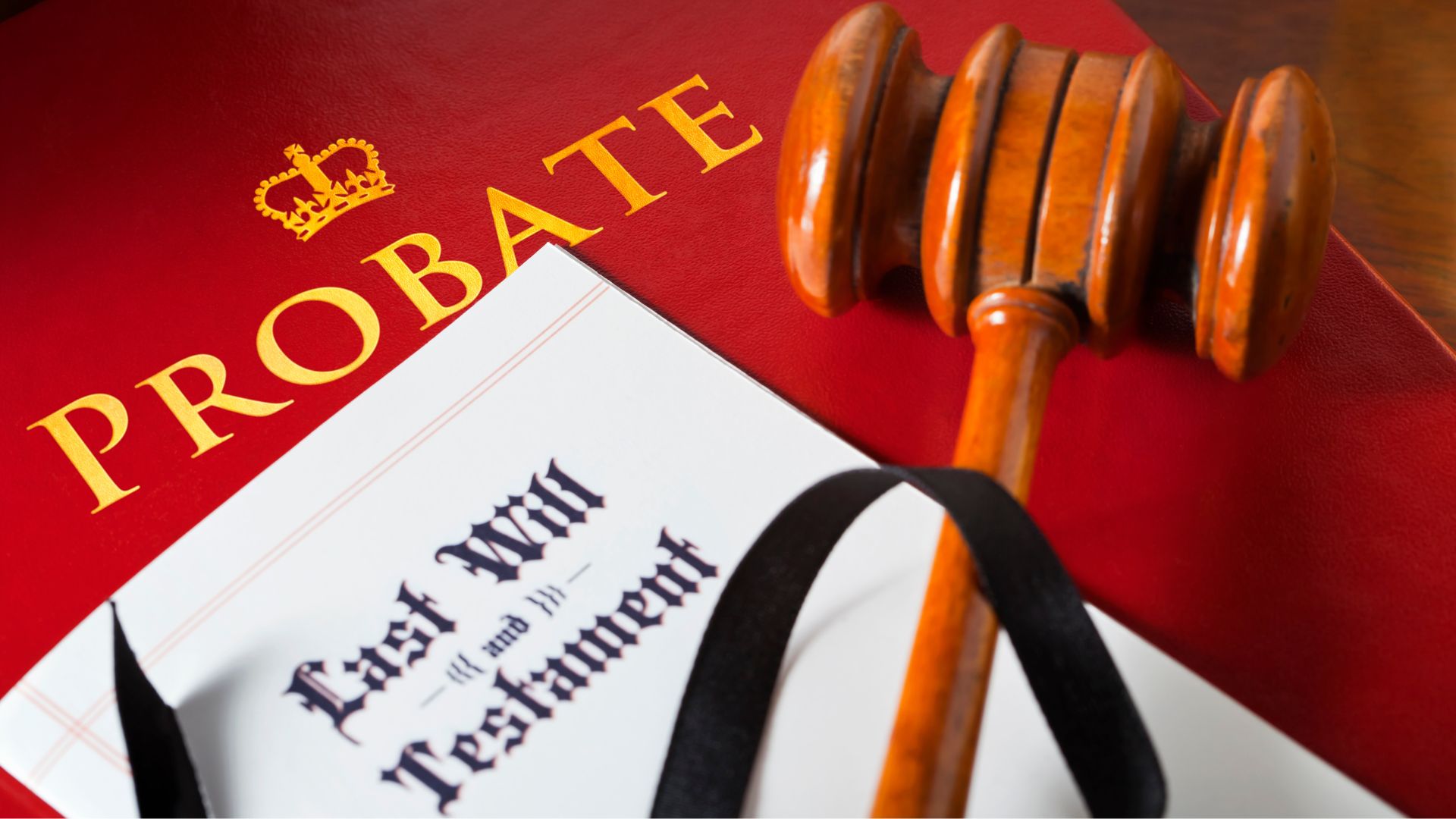
Probate timelines in Texas depend on far more than the date a family files the case, because the overall pace often turns on the type of administration, the quality of the records, the presence or absence of a will, and whether the estate contains disputes or title problems. Families often want a simple answer about how long probate will take, but the more useful answer is that some estates move in a fairly direct line while others slow down because legal authority, heirship proof, creditor issues, or property complications require added work.
That difference matters because delay can affect estate value, property maintenance, debt exposure, and the family’s ability to make informed decisions about distribution. A Texas probate attorney helps set realistic expectations by identifying the steps that usually move the case forward and the problems most likely to extend the timeline. Clear timeline guidance serves as a trust-builder because it replaces vague assumptions with a more accurate view of what the estate actually requires.
Probate Timelines Usually Follow the Estate’s Legal Structure
A probate case does not move on urgency alone, because the court process follows legal sequence rather than family preference. Estates with a valid will, cooperative beneficiaries, and organized records often move more predictably than no-will cases requiring heirship proof or contested authority. The timeline can also change depending on whether the estate qualifies for independent administration, a muniment of title, or another procedure under Texas law. Probate lawyers in Justin help families understand that timeline questions are really questions about structure, not just calendar length. That insight can materially affect case strategy because the right procedure often saves more time than rushing incomplete paperwork into court.
Independent Administration Often Creates a More Efficient Probate Path
Independent administration usually offers one of the more efficient paths through Texas probate because it reduces ongoing court supervision after the personal representative receives authority. A valid will that authorizes independent administration, along with a cooperative estate and clean records, can create a smoother process from appointment through asset management and distribution. That does not mean the estate becomes instant or effortless, because the representative still must satisfy legal duties, organize the estate, and deal with property, debts, and notices in the proper order. Even so, the reduced level of ongoing court involvement often helps the matter progress with fewer procedural stops. Probate counsel helps families identify whether this route is available and whether the estate is positioned to use it effectively.
Valid Will Probate Cases Often Move Faster Than Intestate Estates
A valid will can shorten the timeline because it usually identifies who should act and provides a framework for distribution. The estate still needs proper filing, court admission, and formal recognition of authority, but the existence of a will often removes one major layer of uncertainty. Families generally spend less time proving heirship or resolving inheritance structure when the will is enforceable and clearly drafted. That difference can materially affect both cost and timing. Probate guidance helps confirm whether the will supports a straightforward case or whether hidden issues may still slow the process.
Intestate Probate Timelines Often Expand Due to Heirship Issues
When someone dies without a will, the case often takes longer because the court must rely on Texas intestacy law and may require additional proof of family relationships before confirming who inherits. Marriages, divorces, children from different relationships, and incomplete records can all add time to the administration. Those issues matter because the court must establish a reliable inheritance structure before the estate can move confidently toward distribution. Probate lawyers help families gather the records needed to support heirship and reduce avoidable delay caused by incomplete or inconsistent family information. Strong preparation can materially improve the timeline in a no-will case.
Family Record Gaps Can Extend the Probate Schedule
A missing marriage certificate, an unclear divorce history, or incomplete information about children and heirs can turn a manageable probate case into a slower one. These gaps often require additional document gathering, witness support, or clarification before the court feels comfortable moving forward. Families may underestimate how much timing depends on records that seem unrelated at first glance. Probate counsel helps identify those weaknesses early so the estate does not lose momentum later. That kind of preparation often changes the pace of the entire matter.
Probate Delays Often Begin with Asset and Title Problems
The condition of the estate’s assets often has a direct effect on probate timing, especially when real property, unclear ownership, or incomplete financial records are involved. Families sometimes assume the court filing is the only meaningful step, but many delays arise after authority is granted because the estate still needs to identify assets, verify ownership, and resolve transfer issues. A house with title defects, a bank account with inconsistent beneficiary information, or a business interest with missing records can all extend administration. Probate lawyers in Justin help families understand that estate organization often determines whether the case keeps moving or stalls after the initial hearing. That kind of asset-focused review can protect both timing and value.
Real Estate Issues Commonly Slow Texas Probate Administration
Real property often creates one of the longest segments of a probate case because deed history, liens, homestead issues, and ownership questions may need to be resolved before the property can be sold or transferred. A family may expect a quick transition, only to learn that the title record does not match the estate’s assumptions. That problem can delay distributions and affect the marketability of the property. Probate counsel helps identify these issues early so the family can build a realistic timeline instead of relying on optimism alone. Early title review often reduces the risk of major delays later in the process.
Title Defects Can Affect Both Timing and Estate Value
A title problem does more than slow paperwork. It can delay closing dates, increase maintenance costs, and reduce leverage if the family needs to sell the property under time pressure. Real estate often represents a significant portion of estate value, so timing problems tied to title issues can materially affect the estate’s overall outcome. Probate lawyers help connect the timing question to the underlying legal problem instead of treating delay as a mystery. That approach helps families understand what needs to be fixed and what kind of timeline is realistic.
Financial Account Review Can Shorten or Lengthen Probate Progress
Probate also slows when no one has clearly identified which financial accounts belong to the estate and which transfer outside it. Beneficiary designations, payable-on-death instructions, account titling, and incomplete statements can all affect how much property the personal representative must actually administer. If those issues remain unclear, the estate may waste time pursuing assets that are not probate property or overlooking assets that still require action. Probate guidance helps separate those categories and focus attention where the legal work belongs. That clarity can improve both speed and accuracy.
Asset Classification Affects Distribution Timing
Distribution rarely becomes efficient until the estate knows what property falls inside probate and what passes outside it. Confusion on that point can lead beneficiaries to expect distributions too early or pressure the representative to act before the asset picture is complete. A probate attorney helps classify the property and connect each asset to the procedure required for transfer. That work often prevents later corrections and strengthens the estate’s overall timeline. Better classification usually means fewer surprises near the end of the case.
Creditor Issues and Court Compliance Can Extend the Probate Timeline
The probate calendar does not depend only on inheritance and asset questions. Debt handling, required notices, inventories, and compliance with court procedure also influence how long an estate remains open. Some estates appear simple until creditor claims arise or the representative realizes that key filings were incomplete or late. Those issues matter because probate follows legal order, and skipping ahead can create setbacks that take time to repair. Probate lawyers help families understand that careful compliance often shortens the process more effectively than rushed decision-making.
Creditor Review Can Delay Distribution Even in Cooperative Estates
Families often expect distributions soon after appointment, but creditor issues can slow that process because the estate may need to address valid claims before property is divided. That review can take time, especially where liabilities are unclear or records are incomplete. A representative who distributes assets too early may create avoidable problems for the estate and for personal liability. Probate counsel helps identify the debts that require attention and the order in which they should be addressed. That guidance can materially affect both timeline and risk.
Early Distribution Mistakes Can Prolong the Estate
Pressure from beneficiaries can tempt a representative to move faster than the estate is ready to support. If debts remain unresolved or asset ownership still needs clarification, an early distribution can force the estate to reverse course later. That kind of mistake often extends the administration rather than shortening it. Probate lawyers help representatives resist that pressure and keep the estate aligned with Texas procedure. Good timing decisions protect both efficiency and estate value.
Probate Filing Accuracy Often Determines Whether the Case Keeps Moving
An estate can lose substantial time through preventable filing errors, incomplete applications, missing exhibits, or poorly organized supporting materials. The court can only move on the file presented, and weak preparation often creates delay that families mistake for a slow court. Probate guidance helps structure the filing package around the facts the court will need to see from the beginning. That work improves the estate’s momentum because it reduces the need for corrections, supplemental filings, or avoidable confusion. Better preparation often creates a shorter and more stable timeline.
Inventory Preparation Can Influence the Length of Administration
The inventory phase often reveals whether the estate has been organized well or only loosely understood. If the representative still does not know what property exists, how it is titled, or what documentation supports it, the administration can remain open longer than expected. A probate attorney helps connect the inventory process to the larger timeline so the estate does not treat it as a routine formality. Strong inventory preparation often helps the representative move toward distribution with greater confidence. That kind of organization can materially improve the pace of the case.
Book A Free Consult with Dooley Noted Law Today

Probate in Texas often becomes more difficult when a family is dealing with a death without a will, uncertainty about who inherits, and questions about whether full court administration is even necessary. The earlier sections on this page addressed several of the issues that most often affect estate outcome, including how intestate probate works, when certain property may avoid probate, and what factors usually shape the probate timeline in the Justin area.
Working with experienced probate counsel helps answer the practical questions families tend to ask at the beginning of the process. People often need to know whether a no-will estate requires heirship proof, whether a bank account or home may pass outside probate, and whether the expected timeline is likely to be straightforward or more involved. Those are not minor details, because they can affect estate value, family expectations, and the legal exposure of the person trying to manage the matter. Clear Texas probate guidance helps families move with more confidence by connecting the law to the actual documents, property, and family structure involved. That combination of clarity, risk reduction, and estate-specific strategy often makes the probate process far more manageable.
Call Dooley Noted Law at (972) 640-5684 to schedule your free consultation and get a clearer sense of the next steps for the estate. A direct conversation can help you understand the probate path in front of you, spot issues that may affect timing or inheritance, and choose a strategy that fits the estate instead of relying on guesswork.