Probate Lawyers in Fort Worth
Probate attorneys in Forth Worth bring structure to a unique probate process. Families often need direct answers right away, especially about whether probate is required, what the executor may do before court approval, how long the case may take, and what happens if title, heirship, or creditor issues emerge after the filing begins. Skilled legal guidance helps bereaved family navigate complex Texas Probate Laws.
The value of probate counsel often appears in the parts of the case that seem simple until the legal details come into focus. Real estate records, beneficiary designations, family structure, court deadlines, and the choice between different probate procedures can each change the direction of a Texas estate in meaningful ways. Some matters require only a more straightforward path to authority, while others involve missing documents, blended-family questions, unclear ownership, or debts that complicate distribution.
Dooley Noted Law helps families in Fort Worth understand probate, answer common estate questions, and move forward with a practical legal strategy. If you need help opening an estate, reviewing a will, understanding executor duties, or dealing with probate complications in Texas, call (972) 640-5684 to speak with Dooley Noted Law today.
How Probate Lawyers in Fort Worth Help with Lost Wills
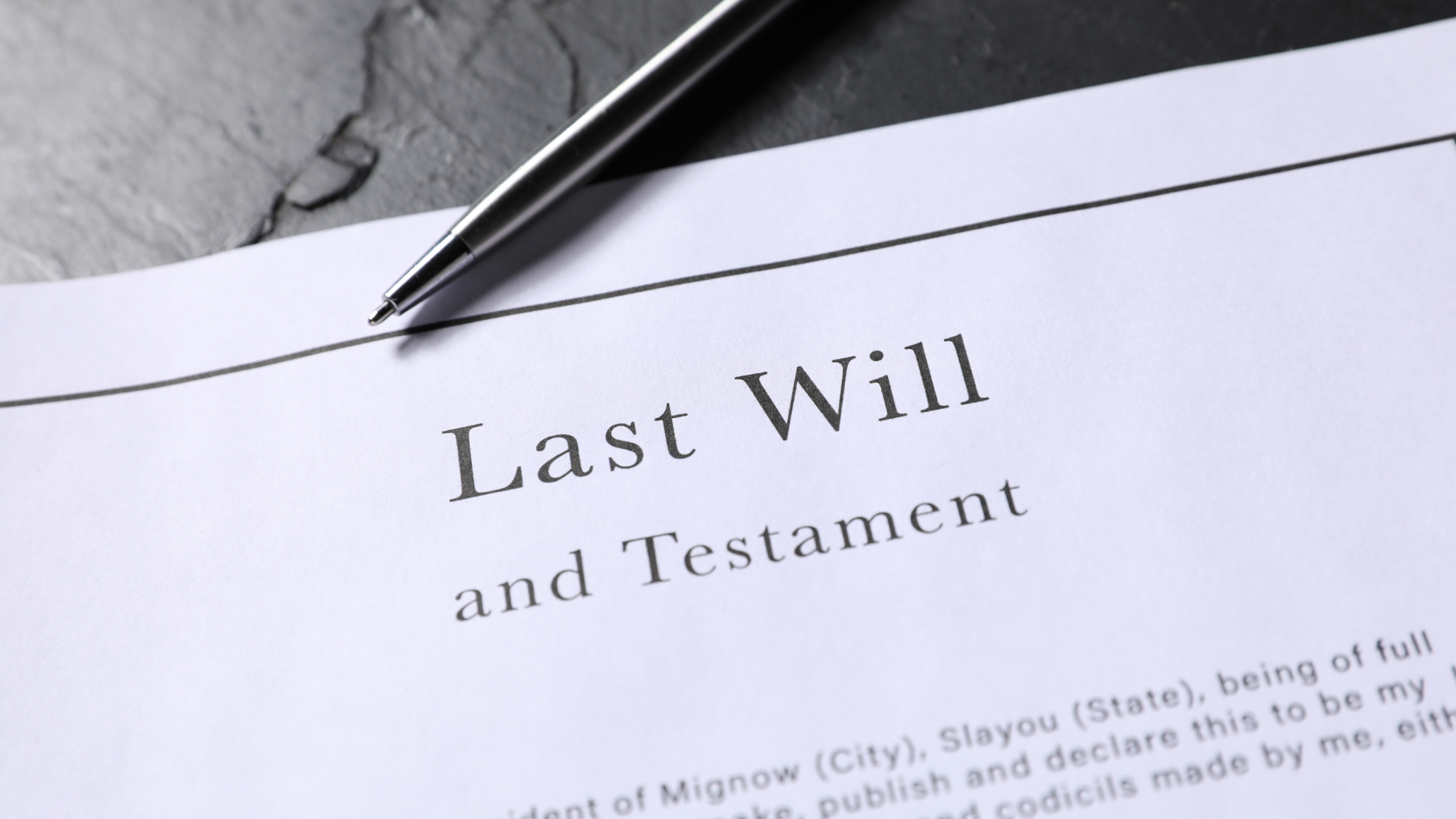
A lost will can change the tone of a probate matter almost immediately because the court does not treat a missing original the same way it treats a signed original placed before the judge. Families often believe that a copy, a general memory of the document, or agreement among relatives should be enough, but a lost will usually requires stronger proof and more careful preparation than a routine probate filing. The outcome can affect who inherits, whether the estate proceeds under the terms of the will at all, and whether the administration shifts toward intestate succession if the available evidence falls short. This is one of the clearest places where Dooley Noted Law becomes an asset, because strong legal guidance can help the family understand what must be proven, what risks may arise, and what steps can protect the estate before uncertainty turns into a larger dispute.
How Probate Lawyers in Fort Worth Handle Lost Wills
A lost will case usually begins with a different legal problem than a standard probate matter. The court may ask not only what the will said, but also why the original cannot be produced and whether the missing document suggests revocation before death. A copy may help, yet it rarely resolves those issues on its own. Probate counsel often adds value here by helping the estate build a stronger factual record before the case reaches a point where doubt begins to control the administration.
Texas Courts Often Focus on Whether the Original Will Was Revoked
A missing original can raise a serious concern because the court may question whether the decedent intentionally revoked the will before death. That issue becomes especially important when the will was last known to be in the decedent’s possession or stored among personal papers that others later accessed. Search efforts, storage history, and the circumstances surrounding the missing document may all influence the court’s view. Careful legal review often helps the estate present these facts in a way that supports admission rather than leaving the court with unanswered questions.
Search History and Custody Facts Can Strengthen a Lost Will Case
The family often needs to show more than a simple statement that the original cannot be found. The court may want to know where the will was last stored, who had access to it, what efforts were made to locate it, and whether related records point toward accidental loss rather than intentional destruction. Those details may seem administrative at first, but they can materially affect whether the estate proceeds under the will or under intestate rules. A stronger custody record often helps the court view the missing document as a probate issue that can be solved rather than a sign that the estate plan disappeared for a reason.
A Will Copy May Support Probate in Fort Worth, Texas
Families often feel relief when they locate a photocopy or scanned version of the will, but that copy usually serves as a starting point rather than a full solution. The estate may still need proof of execution, proof of the will’s contents, and evidence that the original was not revoked before death. If the copy is incomplete, unclear, or inconsistent with surrounding records, the probate matter may become more difficult. A careful comparison of the copy against execution records, law office files, and witness information often becomes important much earlier than families expect.
Internal Consistency in the Available Will Copy Can Affect Court Confidence
The court may look more favorably on a copy that includes clear signature pages, complete witness lines, readable affidavit language, and no obvious alterations or missing sections. A weak copy can create more questions about whether the estate is presenting the right document or only part of one. That distinction matters because probate turns on proof, not on broad assurance that the family remembers what the will probably said. Better review of the copy early in the case often helps prevent avoidable credibility problems later.
Probate Lawyers in Forth Worth Often Help Build Proof of Execution and Contents
A lost will case usually succeeds or fails on the strength of the evidence supporting it. The court may need reliable proof that the will was signed properly, that the offered copy accurately reflects the original document, and that the estate should still proceed according to that writing. These questions can become more demanding when relatives disagree about the will’s contents or about whether the decedent later changed course. This is one reason legal guidance often matters more in a lost will case than in a routine probate filing with a signed original in hand.
Witness Testimony Can Become More Important in Lost Will Probate
Witnesses may play a larger role in a lost will case because they can help confirm execution and reliability when the original is missing. The people who signed as witnesses, the notary, or the attorney who supervised execution may all hold facts that support the estate’s position. Their testimony may help establish that the document was validly executed and that the copy offered to the court reflects the actual will. Reaching those individuals early often matters because memory fades and supporting records can become harder to locate over time.
Law Office Notes and Drafting Records Can Carry Real Weight
The attorney who prepared the will may have drafts, file notes, correspondence, or execution records that help explain when the will was signed and what version of the document the office retained. These materials can provide context that family recollection alone may not supply. They may also help address whether the decedent later revised the plan or whether the available copy matches the final signed version. Strong law office records often improve the estate’s ability to present a more coherent and credible probate case.
Precise Proof of the Will’s Terms Can Alter Distribution Rights
The court does not only need to know that a will once existed. It may also need dependable proof of what the will actually provided, especially if the estate includes specific gifts, fiduciary appointments, or provisions that differ sharply from Texas default inheritance rules. Small wording differences can affect who serves as executor, who receives property, and how certain assets should be handled. A lost will matter can therefore alter both the legal and financial outcome of the estate in ways families do not always anticipate at the beginning.
General Family Memory Usually Creates More Risk Than Certainty
Relatives may remember the broad intent of the will, yet broad memory rarely substitutes for precise proof. One person may recall that the house went to one beneficiary, while another may remember a different distribution plan or believe the will was later changed. These differences can quickly create conflict if the estate relies too heavily on recollection rather than on documented proof. A stronger evidentiary record usually matters far more than general agreement about what the decedent probably wanted.
Lost Will Cases in Fort Worth Often Require a Stronger Probate Filing Strategy
A lost will matter should not be approached like a routine probate case with one missing attachment. The filing often needs to present a fuller legal and factual story from the outset so the court understands why the will should still be admitted and why intestate administration should not replace it. This may include proof about the available copy, evidence of execution, information about search efforts, and a clearer explanation of why the original is unavailable. Better strategy at the beginning often affects both the pace and the credibility of the entire probate matter.
The Petition Should Match the Evidence Behind the Lost Will Claim in Fort Worth
A lost will petition works best when the legal request aligns closely with the proof the estate expects to present. If the filing makes broad claims that the evidence cannot clearly support, the case may lose credibility before the court ever reaches the deeper probate issues. Consistency between the petition, the documents, and the witness support often matters more in lost will probate than families first expect. A carefully framed filing can help the estate move forward with fewer avoidable questions and less procedural resistance.
Weak Early Allegations Can Invite Probate Delay or Objection
Relatives who might otherwise remain neutral may become skeptical if the opening probate papers appear vague, overreaching, or unsupported. The court may also require clarification before the matter proceeds, which can increase both cost and time before authority is established. This is one reason stronger front-end drafting often changes the shape of the case. A stable opening file usually protects the estate better than a rushed petition that hopes the missing-will issue will sort itself out later.
Notice and Objection Risk Often Increase in Lost Will Proceedings
A missing original will naturally invites closer attention from interested parties because it raises questions about revocation, authenticity, and fairness. Family members may scrutinize the filing more carefully, and objections may become more likely if the copy changes who inherits or who serves as representative. Recognizing that risk early helps the estate prepare a stronger record before the matter becomes openly adversarial. Better planning often prevents a difficult probate issue from turning into a larger administration problem.
Family Tension Can Grow Quickly Once the Original Is Missing
Even cooperative relatives may react differently once they learn that the signed original cannot be located. One person may trust the copy immediately, while another may view the missing original as a sign that the estate plan should not control. These disagreements can affect timing, evidence gathering, and the willingness of witnesses to participate. Clear legal guidance often becomes especially important here because it helps keep the estate focused on proof rather than on assumption or rumor.
Probate Lawyers in Fort Worth Often Protect the Estate by Managing Lost Will Risk Early
A lost will issue does not simply create extra paperwork. It can change who inherits, who serves as personal representative, whether real property transfers cleanly, and whether the estate moves under the intended plan or under Texas intestacy law instead. The representative may also face more pressure from beneficiaries who want quick answers even though the court requires careful proof before moving forward. This is why probate lawyers in Fort Worth often provide the most value in lost will cases by bringing structure, evidence development, and clearer expectations to a matter that can otherwise become unstable very quickly.
Intestacy Risk Can Change the Stakes of the Entire Estate
If the court declines to admit the lost will, the estate may proceed under Texas intestate succession rules instead. That shift can materially change inheritance rights, especially in blended families, later marriages, or estates involving separate and community property questions. A lost will case therefore carries consequences beyond one missing document. It may determine whether the decedent’s plan governs at all or whether Texas default rules take over the administration.
Real Property and Executor Appointments Can Magnify the Consequences
The stakes often rise where the missing will would have directed a home, land interest, or fiduciary appointment in a way that differs from what intestacy would produce. If the proof fails, the family may face a different representative, a different distribution plan, and a different legal path for managing estate property. That shift can affect title, timing, and the practical value of the estate. Strong preparation often matters most in precisely these kinds of cases because the result can change both control and outcome in major ways.
Early Lost Will Strategy Often Prevents a More Expensive Probate Dispute
Lost will matters tend to become more difficult when the estate waits too long to gather proof, locate witnesses, or define the theory of the case. Delay can weaken memory, increase family tension, and reduce the estate’s ability to present a clear record to the court. A disciplined strategy from the beginning often protects both timing and credibility. In many Fort Worth probate matters, that early structure is what keeps a missing-will problem from becoming a full-scale dispute over the estate.
How Intestate Status Affects Forth Worth Probate Cases

Intestate status can change a Fort Worth probate matter more than families expect because the estate no longer follows written instructions from the decedent. Instead, Texas law controls who may inherit, who may seek authority from the court, and what facts the family must prove before the estate can move toward distribution. That shift often affects both timing and value because heirship questions, property classification, and administrator selection may require much more factual development than a routine probate with a valid will. A case that looked manageable at first can become more demanding once the family realizes that agreement alone does not determine inheritance rights in an intestate estate.
Texas Intestacy Law Changes the Legal Path of a Fort Worth Estate
A probate case with no will does not simply move under a lighter or simpler process. The court still needs a clear legal basis for identifying heirs, recognizing authority, and determining what property should pass through the estate. Texas intestacy rules create that framework, but they also introduce questions that a valid will may have resolved in advance. This is why intestate status often affects more than distribution, it can also shape administration structure, family expectations, and the amount of work required before the estate reaches a stable position.
Intestate Probate Often Requires More Fact Development
A will-based estate usually begins with a document that names beneficiaries and identifies the intended representative. An intestate estate begins with the need to prove family relationships and inheritance rights before the court can move confidently toward administration. That often means the estate must gather more records, resolve more questions, and spend more time establishing facts that would otherwise have been clear from the start. This added factual burden can materially affect both cost and pace.
Family History Can Become a Central Probate Issue
Marriage records, divorce decrees, birth certificates, adoption records, and death records may all take on greater importance once the estate proceeds without a will. The court may need this documentation to determine who inherits and who should receive notice before the case can move forward properly. Missing or inconsistent records can create delays that families did not expect at the beginning. Strong family documentation often becomes one of the most important tools for keeping an intestate case organized and credible.
Court Authority Still Matters Before Anyone Can Act
Families often assume that the closest relative or the person who handled the decedent’s affairs in life may simply step into the representative role after death. Texas probate law does not work that way because legal authority still must come through the court process. Until the court recognizes the proper administrator, many institutions will not release information or cooperate with estate decisions. That requirement can slow the case if the family does not prepare early for the authority phase.
Administrator Questions Can Affect Case Stability Early
An intestate estate does not have a named executor to guide the process from the start. The court must determine who should serve as administrator, and that choice can affect communication, efficiency, and trust throughout the administration. A strong administrator often helps the estate move in a more orderly way, while a poor choice can create confusion and tension among heirs. This is one reason intestate status can influence not just outcome, but also the overall stability of the probate matter.
Property Classification Matters More in Texas Intestate Probate
Intestate probate often places greater pressure on property classification because Texas law does not treat all assets the same way. Separate property and community property may pass under different rules, especially where a surviving spouse and children from different relationships are involved. Families sometimes assume everything should be divided according to a simple family understanding, but the law may point in a very different direction. Careful property analysis can therefore alter both who inherits and how the estate should be administered.
Community Property and Separate Property Can Produce Different Results
A surviving spouse may have rights that differ sharply depending on whether a particular asset counts as community or separate property under Texas law. Property acquired during marriage may follow one legal path, while inherited or premarital property may follow another. These distinctions often influence not only inheritance shares, but also how the estate should present the asset to the court. Better classification at the beginning usually reduces the risk of flawed distribution decisions later.
Real Estate Records Often Control the Analysis of an Inheritance
A house or land interest may look simple until someone reviews deed history, marital timing, and prior transfers more closely. A title record may reveal inherited interests, separate property questions, or ownership details that do not match what the family assumed. These issues often affect both distribution rights and the estate’s ability to transfer or sell the property cleanly. Strong real estate review can therefore make a major difference in an intestate Fort Worth probate matter.
Non-Probate Assets Can Complicate Family Expectations
Some assets may pass outside probate through beneficiary designations or survivorship rights even though the estate itself proceeds without a will. Families often find this confusing because intestacy law may control some property while other assets bypass the estate entirely. That difference can affect what heirs think they should receive and what the administrator can actually control. A full asset review often becomes essential before the family can understand the estate’s real legal position.
Mixed Asset Estates Require More Careful Planning
An estate containing real property, beneficiary-designated accounts, and debts does not lend itself to one easy answer. Some assets may transfer directly, while others still require full administration and careful court handling. This mixed structure can increase confusion if the family treats the estate as though every asset follows the same legal rule. Better planning often prevents that misunderstanding from turning into later conflict.
Heirship Proof Can Alter the Timing and Cost of Fort Worth Probate
Heirship often becomes the central issue in an intestate estate because the court must know who the legal heirs are before it can support distribution. Families may agree in broad terms about who belongs in the family, yet probate still requires proof strong enough to support authority and later transfer decisions. The strength of that record can affect not just inheritance, but also the timeline, expense, and risk profile of the case. A more developed heirship file often gives the estate a much stronger foundation from the beginning.
Records and Witnesses May Both Matter in Intestate Cases
Some intestate estates depend heavily on formal records, while others also require supporting witness information to explain family relationships or fill gaps in the documentary record. Witnesses may help clarify long-term family facts, prior marriages, or other issues that the estate cannot prove cleanly from papers alone. This makes witness selection and factual preparation more important than many families first realize. Weak support at this stage can create more doubt than clarity.
Poor Heirship Proof Can Delay Distribution
The estate may not be ready for meaningful distribution if the court lacks confidence in the family record. Unclear heirship can slow authority, create notice issues, and increase the chance of later objection if someone believes the estate moved too quickly. These delays can also increase carrying costs for property and create added stress for beneficiaries waiting for answers. Strong heirship proof often protects both timing and estate value.
Blended Families Often Raise the Stakes in No-Will Probate
A blended family structure can make intestate probate significantly more complex because the law may not align with what relatives expect emotionally. A surviving spouse may believe one result should apply, while children from an earlier relationship may believe the law supports something else. These disagreements often turn on legal family structure and property characterization rather than on informal family understandings. Clear analysis at the beginning can help the estate avoid taking positions that become harder to defend later.
Prior Marriages Can Change Inheritance Rights in Important Ways
A prior divorce, later marriage, or inherited asset from an earlier generation can all influence the inheritance analysis under Texas law. Those details may not look significant at first, yet they can alter who receives what and whether the estate must address separate property questions before moving forward. This is one reason intestate probate often becomes more fact-intensive than families expect. Strong review of marital history often improves both accuracy and stability.
Intestate Status Can Affect Fort Worth Probate Strategy from Start to Finish
A no-will estate often requires a different strategy from a will-based probate matter because so much of the case depends on establishing facts before the court can act with confidence. The family may need a stronger filing strategy, better heirship development, more careful asset mapping, and clearer communication about what Texas law actually requires. These issues can influence not just the final distribution, but also the choice of administrator, the handling of debt, and the estate’s ability to preserve value during administration. Intestate status therefore changes far more than the paperwork, it can redefine the entire direction of the case.
Debt Handling Often Becomes More Sensitive in Intestate Matters
Executors or administrators in intestate estates often face greater pressure because authority, heirship, and asset control may all be less settled at the start. If debt issues arise while the family still lacks clarity on inheritance rights or estate structure, the administration can become more fragile very quickly. A rushed payment decision or weak review of obligations can reduce value before the estate even knows who should inherit. This is one reason careful debt analysis often matters even more in a no-will case.
Carrying Costs Can Quietly Increase the Stakes
Property taxes, insurance, maintenance costs, and other ongoing obligations may continue while the estate works through authority and heirship issues. In a fact-heavy intestate case, that delay can become more expensive than families expect. What looked like a manageable administration may start losing value while the family waits for the legal picture to become clear. Better early organization often helps reduce that kind of financial erosion.
Early Legal Structure Often Prevents Bigger Problems Later
Many probate problems do not begin as open conflict. They begin as uncertainty about who inherits, who can act, what property belongs in the estate, and what should happen before distribution. In an intestate estate, those questions often carry more weight because the family lacks a written document to anchor the process. A stronger legal framework at the beginning often keeps manageable uncertainty from growing into a larger and more expensive dispute.
Intestate Probate Usually Rewards Preparation, Not Assumption
Families who rely on broad agreement or general memory often find that Texas probate requires much more precision. The court needs dependable facts, clear property analysis, and a representative with lawful authority before the estate can move forward responsibly. Better preparation often protects timing, reduces avoidable cost, and helps the family understand what Texas law actually requires. In many Fort Worth probate matters, that preparation is what determines whether intestate status remains manageable or becomes a serious source of delay and conflict.
Do You Need Probate Lawyers in Fort Worth for Small Estates?

A small estate does not always mean a simple estate, and that distinction matters in Texas probate. Families often assume that lower asset value automatically eliminates the need for legal guidance, yet the real question usually turns on what the estate owns, whether a will exists, whether real property is involved, and whether the family can use a limited procedure without creating later title or authority problems. A modest estate can still raise issues involving heirship, creditor handling, beneficiary confusion, missing records, and the difference between probate and non-probate property. This is why small estates often deserve a closer legal look before anyone decides the matter should move without counsel, because the cost of a wrong shortcut can exceed the cost of getting the structure right at the beginning.
Small Estate Size Does Not Always Remove Probate Risk in Texas
Families often focus on total dollar value when deciding whether legal help is necessary, but probate risk usually comes from structure rather than size alone. A small estate with clear records, no real property, cooperative heirs, and straightforward assets may move differently from a similarly sized estate involving no will, unclear family history, or title concerns. Texas probate law does offer limited procedures in some situations, but those options apply only when the facts actually fit the legal requirements. A careful review early in the process often changes the answer to whether the estate truly can move on a simplified path.
Limited Asset Value Can Still Leave Serious Legal Questions
An estate may contain only a few assets and still raise difficult probate issues. A bank account without a beneficiary, a house with title questions, or a family history problem can create more legal work than the family expected from a smaller estate. The amount of money involved does not erase the need for court-recognized authority or clear inheritance analysis. Better legal review often matters most when the estate looks simple on paper but carries hidden procedural problems.
Real Property Often Changes the Analysis Immediately
A small estate that includes a residence or land interest may still require closer legal attention than families expect. Title companies, future buyers, and lenders usually care more about a clean legal record than about the dollar amount of the property involved. If the estate needs to transfer or sell real property, the question becomes whether the record supports that transfer clearly and lawfully. That practical concern often makes counsel more valuable even in estates that otherwise seem limited in size.
Family Agreement Does Not Always Replace Legal Structure
Relatives may agree about who should receive property and still run into probate problems later. Informal agreement does not automatically solve questions about authority, notice, title, or what procedure Texas law actually allows. Small estates often become harder when families move too quickly based on shared assumptions that the court or a third party later will not accept. Clear legal structure often protects the family from having to revisit the estate after they believed it was already settled.
Good Intentions Rarely Fix Weak Probate Records
Families often act carefully and honestly, yet a weak record can still cause trouble later. Missing signatures, unclear heirship support, incomplete account records, and vague property history can all undermine a small estate administration. These issues may not stop the family from reaching an internal agreement, but they can create real problems when an institution, title company, or court needs proof. Strong documentation matters just as much in a smaller estate as it does in a larger one.
Texas Small-Estate Procedures Can Help, but They Are Narrow Tools
Texas law provides certain procedures that may reduce the burden of full probate in qualifying cases, but these tools are not catch-all solutions. Families often hear about a small-estate shortcut and assume it applies any time the estate is not especially large. In reality, eligibility usually depends on specific facts, including whether the decedent died without a will, what kind of assets exist, and whether the property fits the legal limits of the procedure. A stronger legal review often helps the family understand whether the estate really qualifies or whether a limited procedure only appears simpler at first.
Small Estate Affidavits Work Only in Certain Texas Cases
A small estate affidavit may help in a narrow set of intestate estates, but it does not apply simply because the family wants to avoid probate court. The estate must satisfy statutory requirements, and the property involved must fit within that legal structure. This means the family usually needs more than a rough sense that the estate is modest. A careful review of the asset list, family facts, and probate posture often determines whether this route is even available.
The Presence of Real Property Can Limit the Practical Usefulness
Even where a small-estate procedure appears available, the estate may still face practical limits if real property becomes part of the picture. A home may raise title concerns, ownership questions, or transfer issues that require stronger documentation than the family first expected. This can change whether the smaller procedure truly solves the problem or simply delays a larger one. Strong title analysis often helps answer that question before the estate relies on the wrong process.
Simplified Procedures Still Require Careful Facts
A limited probate tool does not eliminate the need for accurate records or reliable family information. The estate still needs a clear understanding of who the heirs are, what assets exist, what debts remain, and whether any property passes outside probate. A family that assumes a small-estate route means less scrutiny may discover the opposite once a court or institution reviews the file closely. Better factual development often protects the estate from later rejection or delay.
A Weak Shortcut Can Cost More Than a Strong Filing
Families sometimes try to save time and expense by using the simplest possible path without first testing whether the facts support it. If that choice later proves incorrect, the estate may lose momentum and require corrective work that costs more than a properly planned filing would have cost in the first place. A stronger opening decision often protects both efficiency and long-term stability. That is one reason legal guidance may still be worth it even in a smaller matter.
Probate Lawyers in Fort Worth Often Add Value by Clarifying What the Estate Really Includes
Many small estates are misunderstood because the family starts with an incomplete picture of what actually belongs in probate. Some assets may transfer through beneficiary designations or survivorship rights, while others still require court-recognized authority before anyone can manage or distribute them. This difference often matters more than the size of the estate itself. A careful asset map can change both the legal path and the practical cost of administration.
Non-Probate Assets Can Make a Small Estate Look Simpler Than It Is
An estate may include accounts or benefits that transfer outside probate, which can create the impression that little court involvement will be needed. That may be true for some assets, but it does not automatically resolve issues involving debts, property, or authority over the rest of the estate. Families often benefit from understanding which assets pass directly and which still require administration. That distinction can affect whether counsel adds meaningful value to the process.
Beneficiary Designations Need Review, Not Assumption
A named beneficiary on an account does not always end the legal inquiry. The form may be outdated, incomplete, or inconsistent with what the family believed was on file. A smaller estate can still face delay if the account records do not support a clean transfer. Better review of these details often prevents the family from building its probate strategy on an assumption that later proves wrong.
Debt and Claim Issues Can Complicate Even a Modest Estate
A smaller estate can still carry obligations that affect what remains for heirs and what procedure makes sense. Medical bills, tax notices, mortgage balances, and other claims may all influence whether the estate can move informally or whether a more structured administration is safer. Families sometimes focus on the size of the assets without understanding the effect of the debts. A stronger financial review often changes the practical answer to whether counsel is necessary.
Net Simplicity Matters More Than Gross Value
An estate may look small in total assets and still require careful handling if the debts, records, or property structure remain unclear. What matters is not simply the amount owned at death, but how difficult it will be to establish authority, resolve obligations, and distribute what remains. This is one reason some small estates still benefit from legal support while some larger estates move more smoothly. The real measure is complexity, not only value.
Fort Worth Small Estates Often Still Need Help With Authority and Heirship
The need for probate counsel often becomes clearer once the family confronts questions about who may act and who may inherit. In a small estate, relatives may expect the closest family member to step in naturally, but Texas probate still requires lawful authority and a reliable inheritance analysis. This becomes more important when no will exists or when family structure raises questions about who should receive notice or property. Better guidance at this stage can keep the estate from stalling before the administration truly begins.
No-Will Small Estates Can Become More Fact Intensive Than Expected
A small estate without a will may require stronger family records than relatives realize. The court may need proof of heirship before allowing the matter to move forward, especially if the family includes prior marriages, children from different relationships, or unclear lineage issues. These factual questions can increase both time and risk even where the total asset value remains modest. Strong heirship development often becomes one of the most important reasons small estates still need counsel.
Family Structure Can Matter More Than Estate Size
Blended families and prior marriages often affect inheritance rights under Texas law in ways that surprise relatives. A spouse, adult children, or other heirs may each assume a different legal result based on personal expectation rather than the actual intestacy rules. The smaller size of the estate does not remove those legal questions. It only means the family may be more tempted to move without resolving them first.
Authority Still Matters Before Banks and Buyers Cooperate
Even a small estate needs someone with recognized authority if the family must gather records, deal with institutions, or transfer certain property. Banks, title companies, and other third parties often require formal proof before cooperating, regardless of whether the estate is modest. Families sometimes assume size makes authority less important, but institutions rarely see it that way. Clear legal authority often remains essential to practical progress.
Informal Action Can Create Problems That Outlast a Small Estate
A family may try to save time by handling assets before the legal picture is clear, especially if they believe the estate is too small to justify formal steps. Those efforts can create complications if property is transferred too soon, records are incomplete, or an interested party later raises concerns about the process. A smaller estate does not protect the family from the consequences of acting without enough structure. Good legal guidance often prevents those avoidable mistakes.
Book a Risk-Free Consultation in Fort Worth Today

Probate lawyers in Fort Worth help families deal with issues that can quickly make an estate more complicated than it first appears. Strong legal guidance can clarify what happens when a will is lost, explain how intestate status changes inheritance and administration, and help determine whether a smaller estate still needs formal probate work under Texas law. A Texas probate attorney can also review authority questions, family structure, property concerns, debt exposure, and the difference between probate and non-probate assets before those issues create avoidable delay or expense. That kind of preparation often protects both estate value and the stability of the administration from the very beginning.
Families also benefit from direct answers while the process still feels uncertain. A more organized probate strategy can help the representative understand what the court requires, what records matter most, and what risks may affect timing, distribution, or final resolution. Careful legal review often makes it easier to address heirship proof, real property transfer, creditor questions, and the practical demands of managing an estate under Texas law. When the case starts with stronger documentation and clearer expectations, the family usually gains more confidence in both the legal process and the decisions that follow.
Call (972) 640-5684 to book a risk free consultation with Dooley Noted Law in Fort Worth. A timely conversation can help you spot probate issues early, understand the next legal step, and move forward with a clearer plan for the estate.